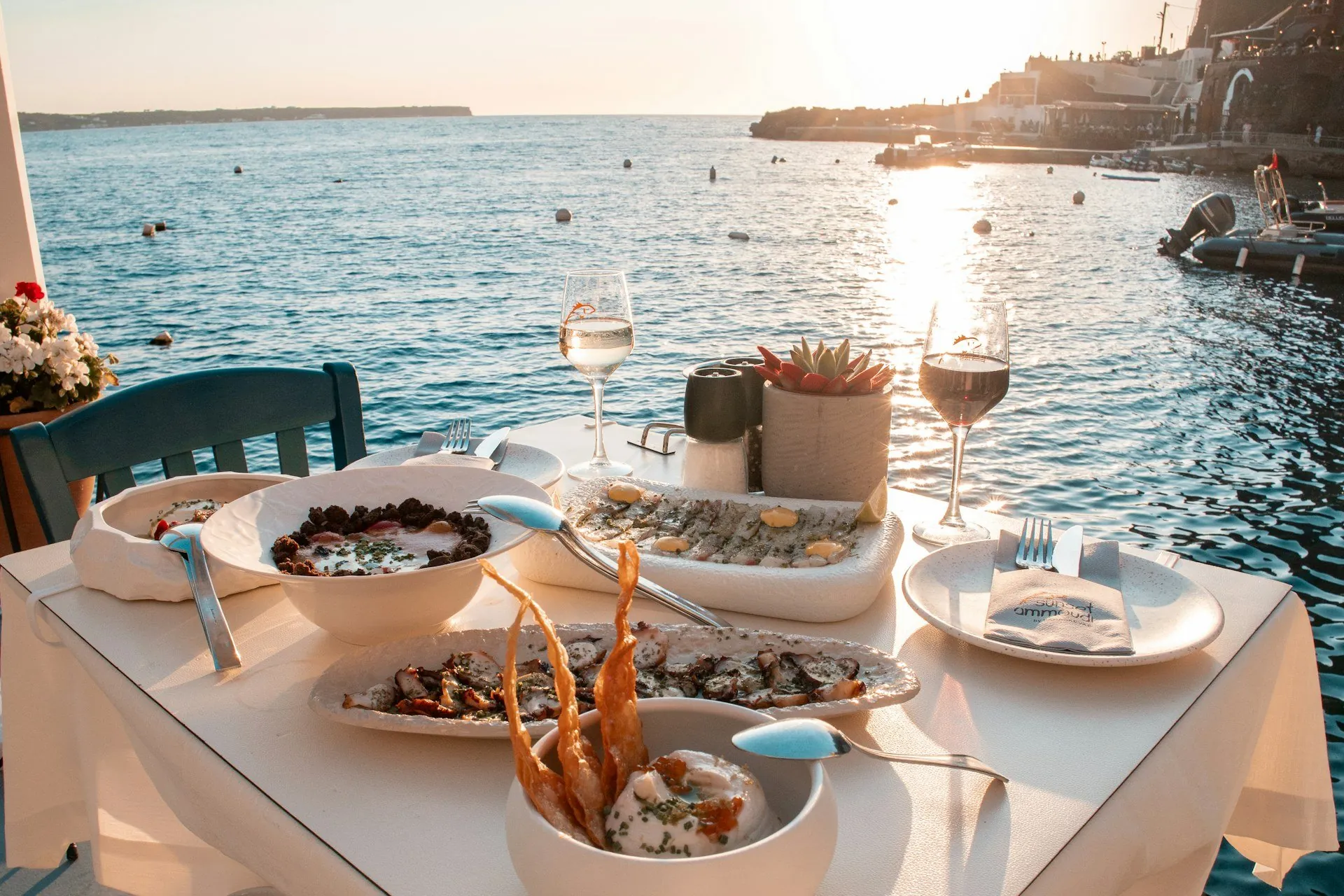
Dinner by the sea, Santorini
TheMediterranean.com The Luxury Gateway
DestinationsStayResortsSailCruisesFlyTrainsLiveLuxury Real EstateShopDineExperienceJournalPlan a TripAbout

Home›History and Culture›Mediterranean Cuisine

Mediterranean Cuisine

From the truffles of Alba to the tagines of Marrakech: the cooking of every country around the sea, and where to taste it at its finest.

Dinner by the sea, Santorini · Photo: Anastase Maragos / Unsplash

At the table

The cooking of the Mediterranean

Olive oil, bread and wine, fish from the sea, vegetables and herbs from the hills: the foundations are shared, and the Mediterranean diet is on UNESCO's list of the Intangible Cultural Heritage of Humanity. Yet every country, and often every valley, cooks in its own way.

Here is the cooking of each country in a few lines, with links to its history and culture page and, where they exist, to the finest tables we list. For the restaurants themselves, see our lists below.

Cuisine

The western Mediterranean

Portugal

Portuguese cooking is built on the Atlantic: grilled sardines and sea bream, rice with seafood, and salt cod, said to have a recipe for every day of the year. The custard tart, pastel de nata, is a Lisbon institution, and the Alentejo gives black pork, cork-oak country and robust reds. Great tables: Belcanto, Vila Joya, Ocean.
The cuisine of Portugal →
The finest restaurants →

Spain

Spain eats late and well. Jamón ibérico, paella from Valencia, gazpacho from Andalusia and the small plates of tapas are known everywhere, and the country's creative chefs changed modern cooking. Great tables: DiverXO, Aponiente, Quique Dacosta.

The cuisine of Spain →
The finest restaurants →

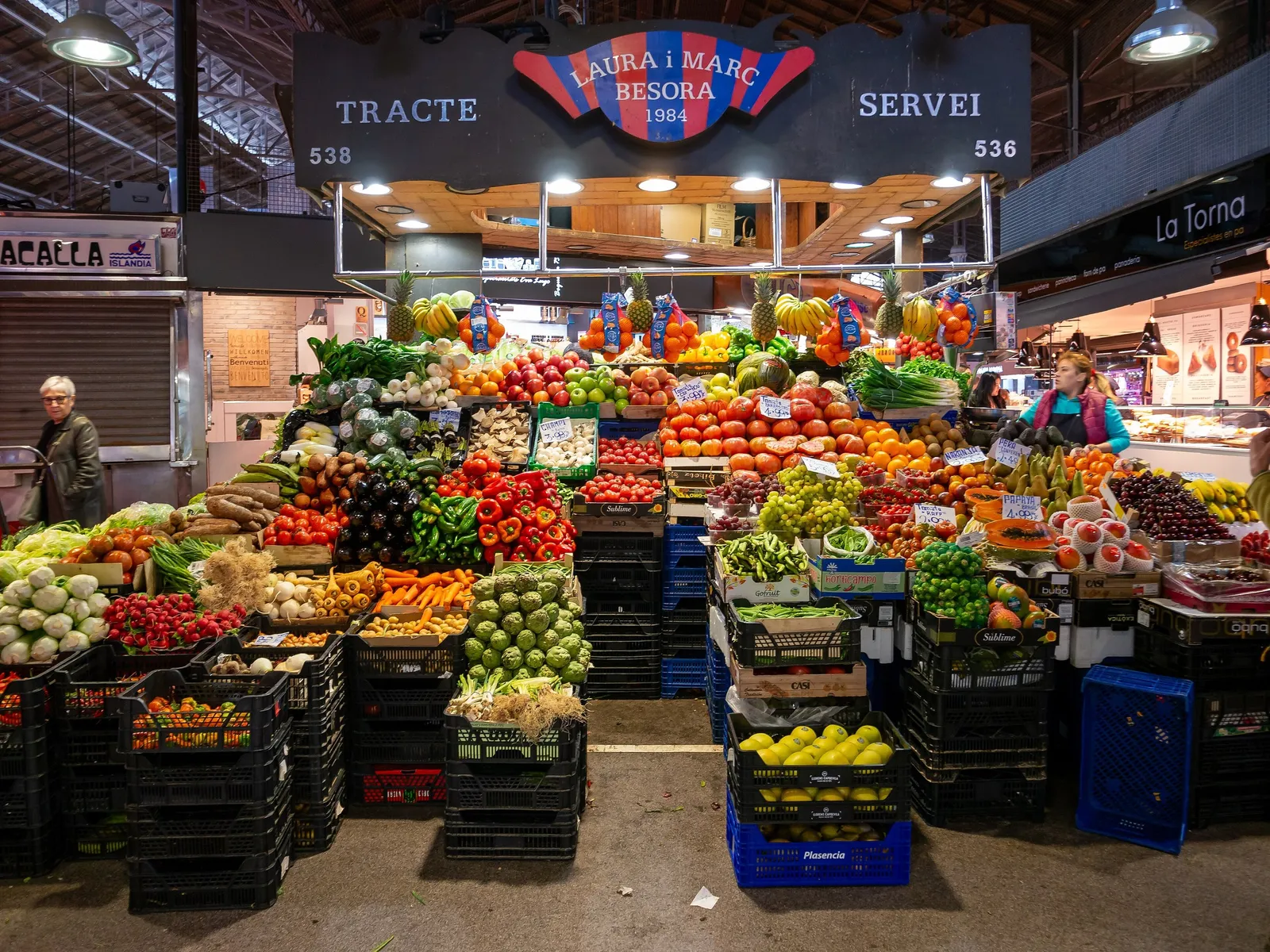
A greengrocer's stall at the Mercat de la Boqueria, Barcelona
A greengrocer's stall at the Mercat de la Boqueria, Barcelona · Photo: Matti Blume / Wikimedia Commons, CC BY-SA 4.0

Gibraltar

Gibraltar's table is a mix of Mediterranean influences. Its best-loved dish is calentita, a baked chickpea-flour cake brought by Genoese settlers, and rosto, pasta in a tomato and beef sauce, shows the same Italian roots.

The cuisine of Gibraltar →

France

The cooking of the south is olive oil, garlic, herbs and the sea: bouillabaisse in Marseille, socca and salade niçoise in Nice, ratatouille and pistou in Provence. Provence rosé is drunk all summer; Bandol and Châteauneuf-du-Pape are its serious wines. Great tables: Le Petit Nice, L'Oustau de Baumanière, La Vague d'Or.

The cuisine of France →
The finest restaurants →

Monaco

Monaco's own dishes are those of the Riviera: barbagiuan, small fried pastries of chard and ricotta, eaten on the National Day, and stocafi, dried cod stewed with tomatoes and olives. Its tables are among the most famous in the world. Great tables: Le Louis XV-Alain Ducasse, Les Ambassadeurs by Christophe Cussac.

The cuisine of Monaco →
The finest restaurants →

Italy

There is no single Italian cuisine, only regional ones. Piedmont has the white truffles of Alba and the wines of Barolo; Emilia-Romagna has Parmigiano Reggiano, prosciutto di Parma and the balsamic vinegar of Modena; Tuscany has Chianti and Brunello; Naples has pizza, its art of the pizzaiuolo recognised by UNESCO; Sicily has Arab-inspired sweets and Etna wines. Great tables: Osteria Francescana, Piazza Duomo, Dal Pescatore.

The cuisine of Italy →
The finest restaurants →

Malta

Maltese cooking is Sicilian, Arab and British at once: rabbit stew, the national dish; pastizzi, flaky ricotta pastries; lampuki pie in autumn; and ftira, the ring-shaped sourdough bread recognised by UNESCO as intangible heritage. Gozo is known for its sheep's cheese and its wines. Great tables: ION Harbour by Simon Rogan.

The cuisine of Malta →
The finest restaurants →

Cuisine

The Adriatic and the Ionian

Slovenia

Slovenia cooks with Alpine, Italian and Hungarian accents. Karst ham and the red teran wine, sea salt from Piran, buckwheat, the walnut roll called potica and the white wines of Goriška Brda are its signatures. Great tables: Hiša Franko.

The cuisine of Slovenia →
The finest restaurants →

Croatia

Croatia's coast cooks simply and superbly: Adriatic fish grilled over wood, oysters from Ston, lamb and octopus slow-cooked under the iron bell of the peka, Dalmatian ham and olive oil. Istria has white truffles in autumn and fine Malvazija; the south has the red Plavac Mali. Great tables: Agli Amici Rovinj.

The cuisine of Croatia →
The finest restaurants →

Bosnia and Herzegovina

Bosnian food is generous and slow: ćevapi grilled in Sarajevo's old town, burek and other pies, stuffed vegetables, and coffee served in a copper džezva with Turkish delight. Herzegovina, around Mostar, makes white Žilavka and red Blatina wines.

The cuisine of Bosnia and Herzegovina →

Montenegro

From the village of Njeguši, below Lovćen, come air-dried ham and cheese; from the vineyards around Lake Skadar comes Vranac, the deep red native grape. On the bay, the table is grilled fish, mussels and olive oil.

The cuisine of Montenegro →

Albania

Albanian cooking is Ionian and mountain at once: fish and mussels on the riviera, lamb roasted with herbs, byrek pies, and tavë kosi, lamb baked in yoghurt, the national dish. Olive oil, figs and mountain tea come from the slopes above the sea.

The cuisine of Albania →

Greece

Greek cooking rests on olive oil, bread, wine and the sea. Grilled fish, slow-cooked lamb, feta and the many small plates of a meze table are made with island herbs and lemons. Great tables: Delta.

The cuisine of Greece →
The finest restaurants →

Cuisine

The eastern Mediterranean

Türkiye

Turkish cooking descends from the palace kitchens of the Ottomans: meze, olive-oil vegetables of the Aegean, kebabs from the south-east, pilafs, baklava and Turkish delight. Breakfast is a feast of its own, and coffee and tea are rituals. Great tables: TURK Fatih Tutak, Vino Locale.

The cuisine of Türkiye →
The finest restaurants →

Cyprus

Cypriot cooking is a long meze: halloumi grilled or fresh, souvla roasted over charcoal, kleftiko lamb from the clay oven, olives, village bread and fruit. Commandaria, the sweet wine of the Troodos foothills, is one of the oldest named wines in the world.

The cuisine of Cyprus →

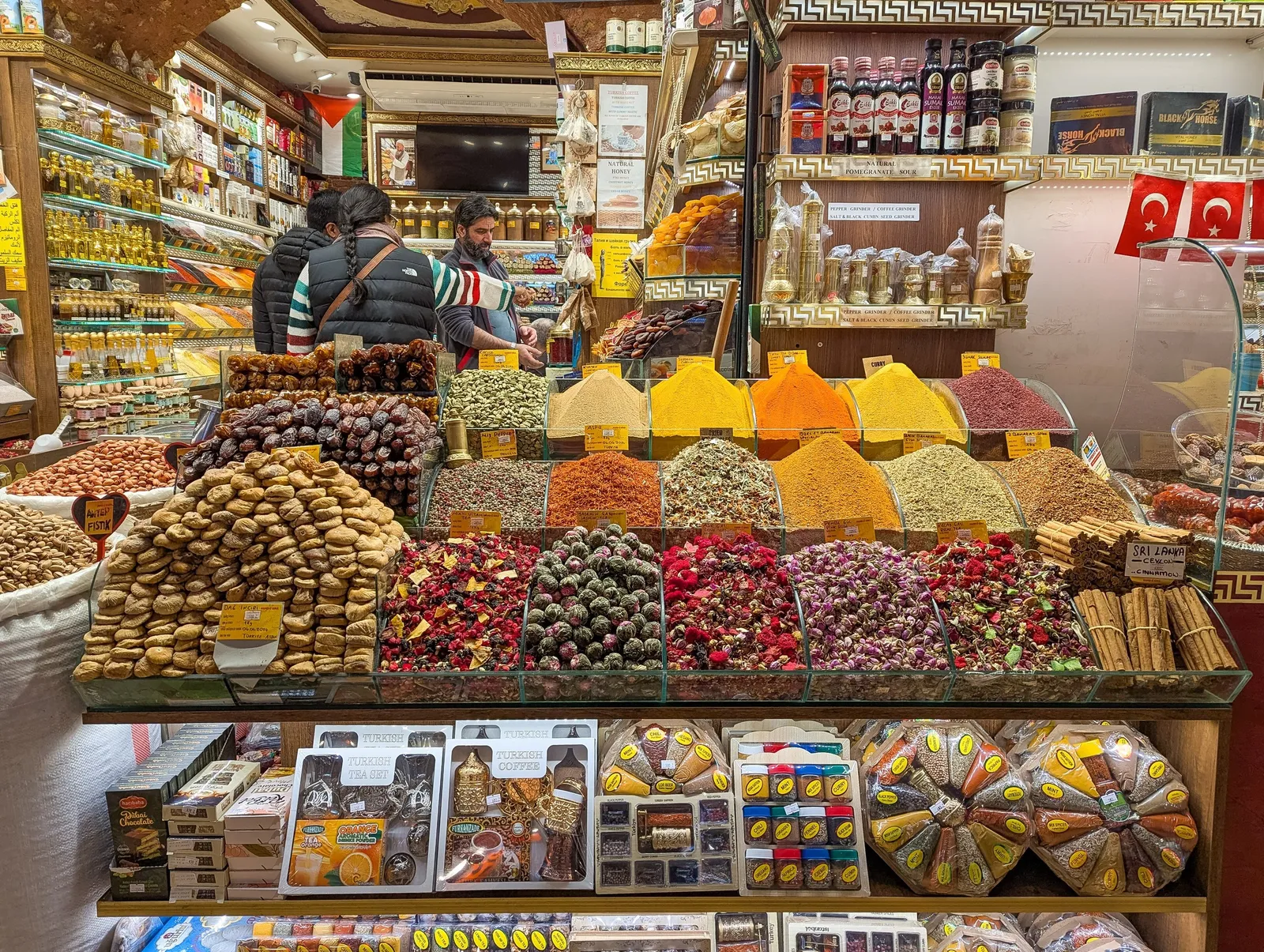
Spices, dried flowers and Turkish delight in the Spice Bazaar, Istanbul
Spices and Turkish delight in the Spice Bazaar, Istanbul · Photo: Sourabh.biswas003 / Wikimedia Commons, CC BY-SA 4.0

Israel

Israel's food is a meeting of the Mediterranean and many diasporas: hummus, salads, grilled fish, breads from every tradition and a market culture built on superb produce. Tel Aviv has a lively chef-led restaurant scene, and wineries in the Galilee and the Judean Hills make serious wines.

The cuisine of Israel →

Cuisine

North Africa

Egypt

Egyptian food is the food of the Nile valley: ful medames of slow-cooked beans, koshari of rice, lentils and pasta, green molokhia, stuffed pigeon, grilled fish in Alexandria and sweet om ali. A new generation of chefs is cooking Egyptian food with ambition, within sight of the Pyramids. Great tables: Khufu's.

The cuisine of Egypt →
The finest restaurants →

Tunisia

Tunisia cooks with olive oil, chillies and the sea. Harissa, the fiery pepper paste, and couscous, which Tunisia shares with its neighbours, are both on UNESCO's intangible heritage list.

The cuisine of Tunisia →

Morocco

Moroccan cooking is one of the great cuisines of the world: slow tagines of lamb with prunes or chicken with preserved lemon, couscous on Fridays, pastilla of pigeon in fine pastry dusted with cinnamon, and sweet mint tea poured from a height. The finest kitchens of Marrakech serve it in palaces. Great tables: La Grande Table Marocaine, Sesamo.

The cuisine of Morocco →
The finest restaurants →

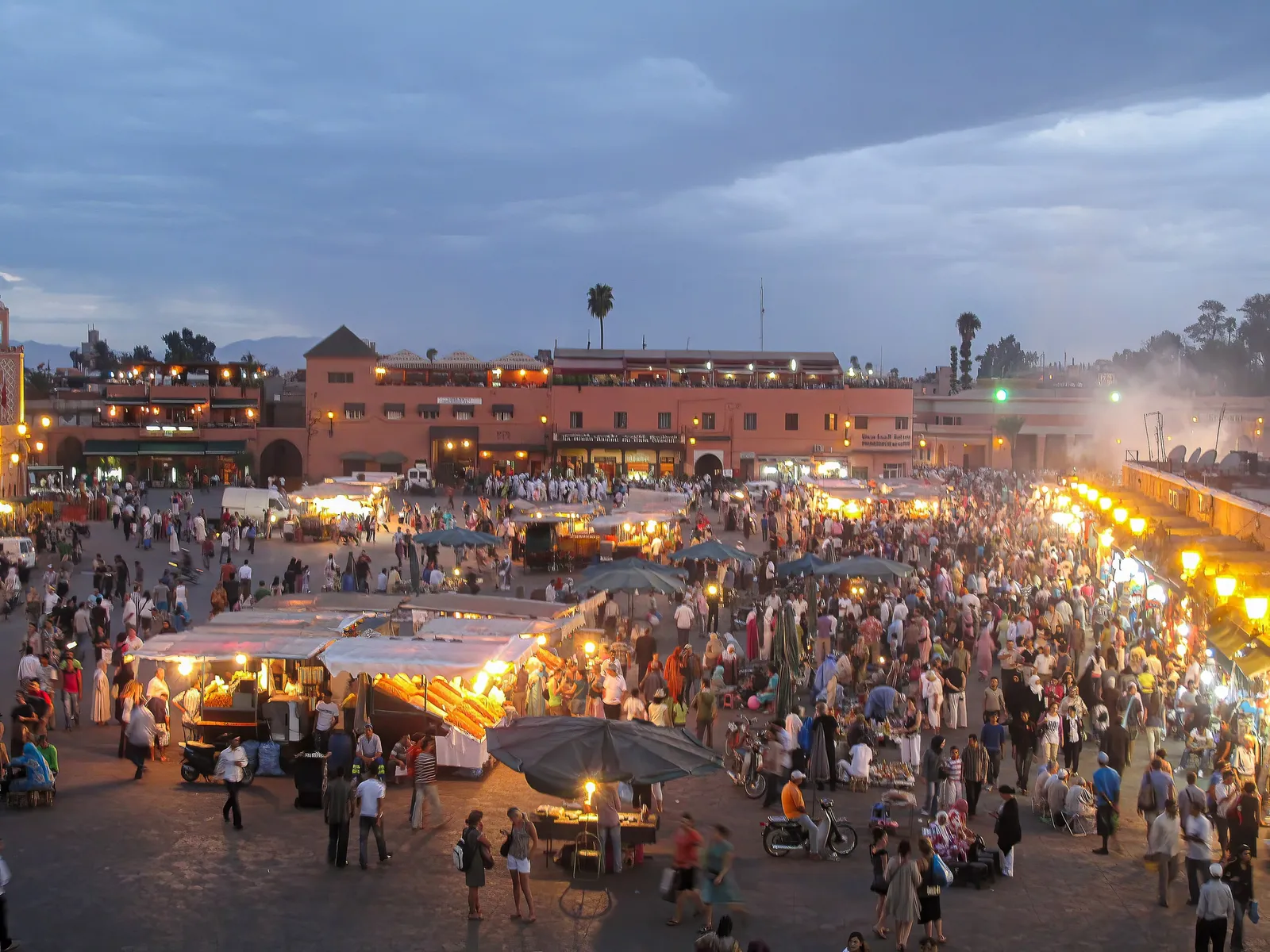
Evening market stalls and smoke over Jemaa el-Fnaa square, Marrakech
Evening food stalls on Jemaa el-Fnaa square, Marrakech · Photo: Forbes Johnston / Wikimedia Commons, CC BY 4.0

The Mediterranean Season Letter

Where to be, every season

Four letters a year, one for each season: the Mediterranean from spring to autumn, and Beyond the Mediterranean, into the Alps, in winter. The one best hotel to book, and the events worth crossing a sea for.