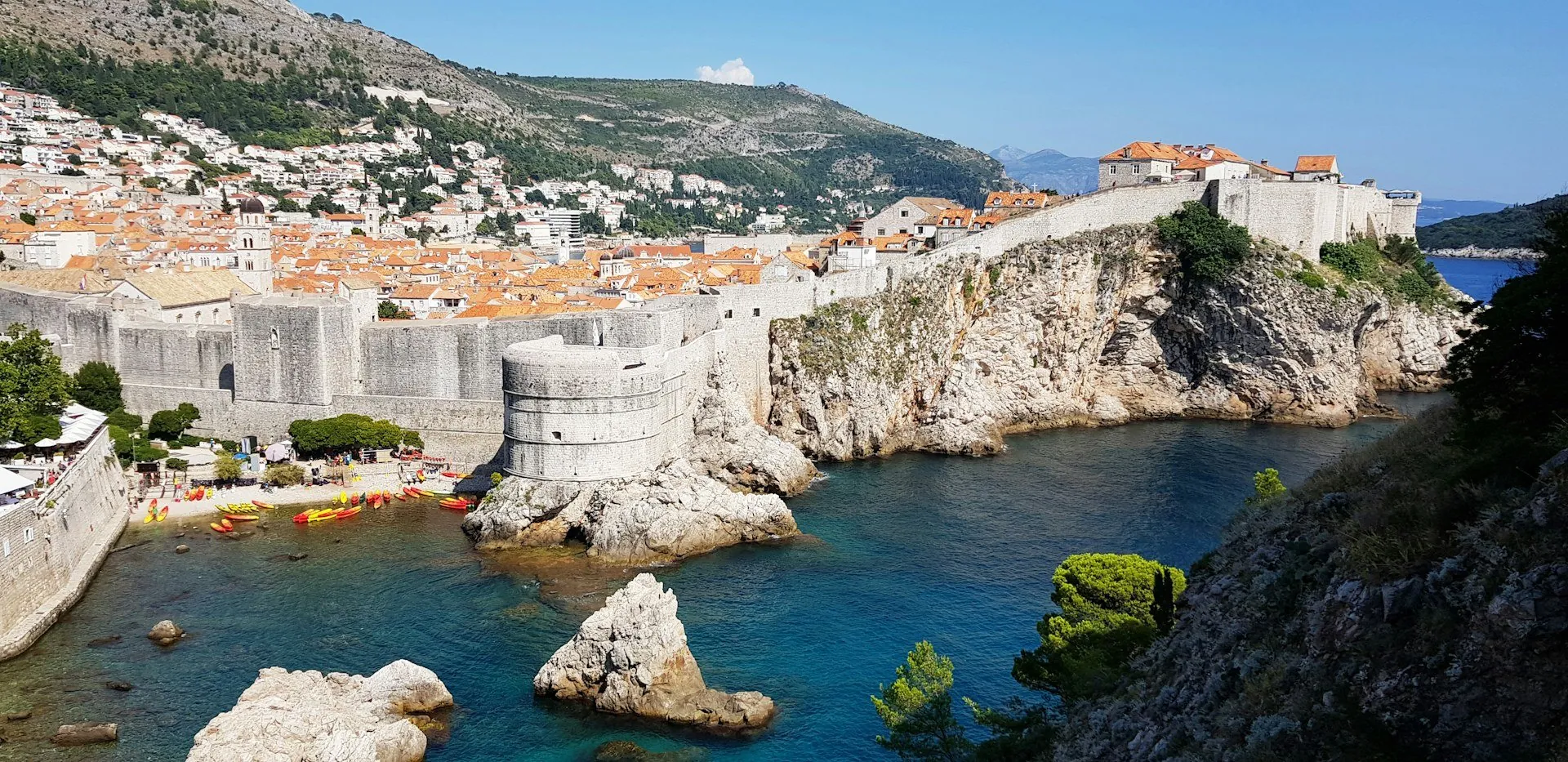
Old City of Dubrovnik
The walled city of the Republic of Ragusa. UNESCO listing (opens the UNESCO site) ↗︎

Try "Saint-Tropez", "Positano", "truffle" or "Cyprus".
Home›History and Culture›Croatia
A Roman emperor's palace, a merchant republic that rivalled Venice and a thousand islands: the history, arts and great tables of Croatia.
History
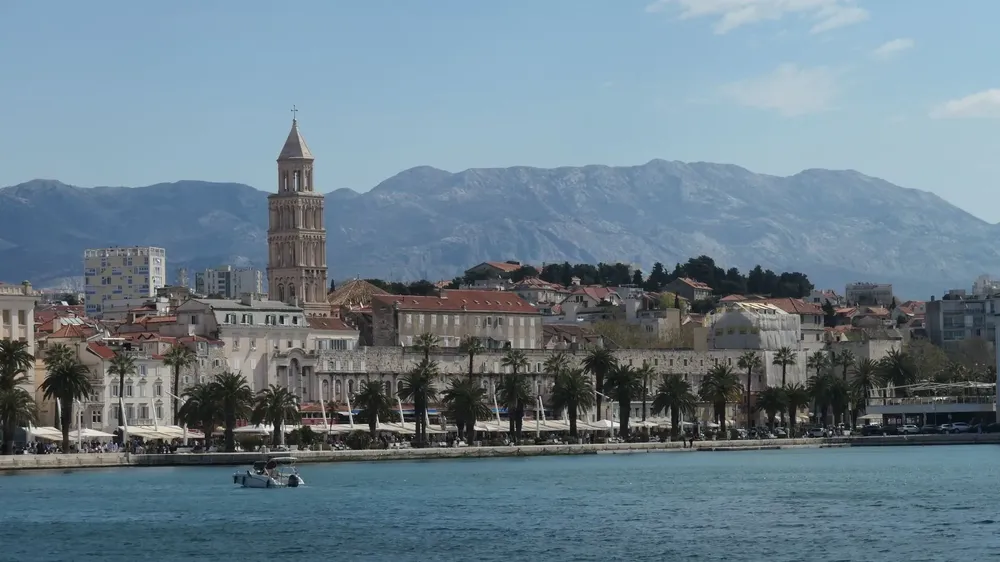
Greek colonists settled the Dalmatian islands in the fourth century BC; the fields they laid out at Stari Grad on Hvar are still farmed. Rome followed, and around AD 305 the Emperor Diocletian retired to a vast palace on the bay at Split, inside whose walls the old town still lives.
Croats arrived in the seventh century and founded a kingdom, later joined to Hungary. Venice ruled much of Dalmatia for centuries, but Dubrovnik, as the Republic of Ragusa, stayed independent until 1808, a merchant state with a fleet, diplomats and its famous motto of liberty. Croatia was part of the Habsburg world and later Yugoslavia, became independent in 1991 and joined the European Union in 2013.
Issa on Vis and Pharos on Hvar.
Diocletian's Palace at Split; the arena at Pula.
Later in union with Hungary.
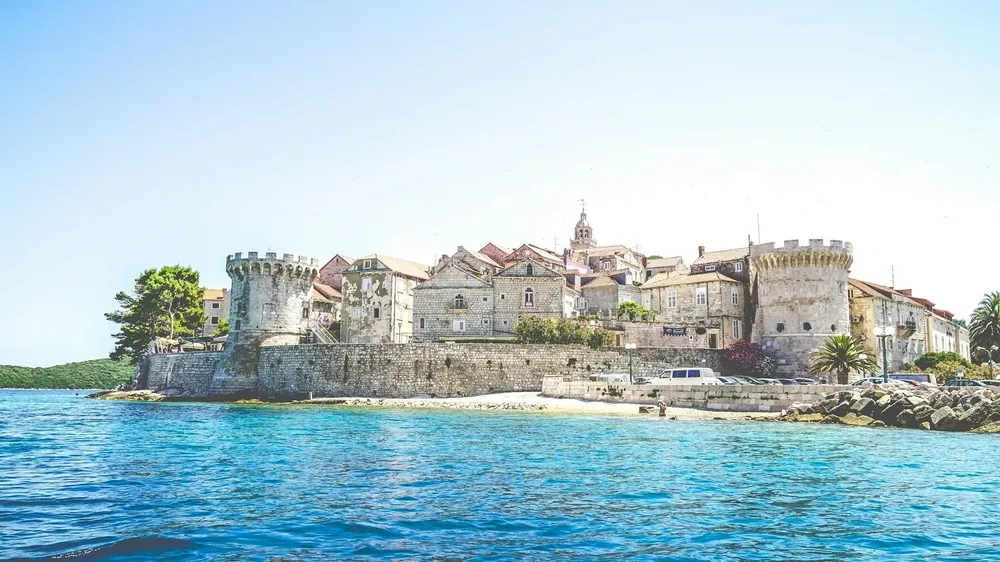
Venetian Dalmatia; independent Dubrovnik.
European Union in 2013, the euro in 2023.
Arts and letters
Klapa, the unaccompanied harmony singing of Dalmatia, is on UNESCO's intangible heritage list; you hear it in the vaulted vestibule of Diocletian's Palace. The Dubrovnik Summer Festival, held since 1950, fills the forts and squares with theatre and music.
Split's humanist, father of Croatian literature.
The comedies of Renaissance Dubrovnik.
His villa in Split is now a gallery.
Born in Smiljan, in today's Croatia, in 1856.
At the table
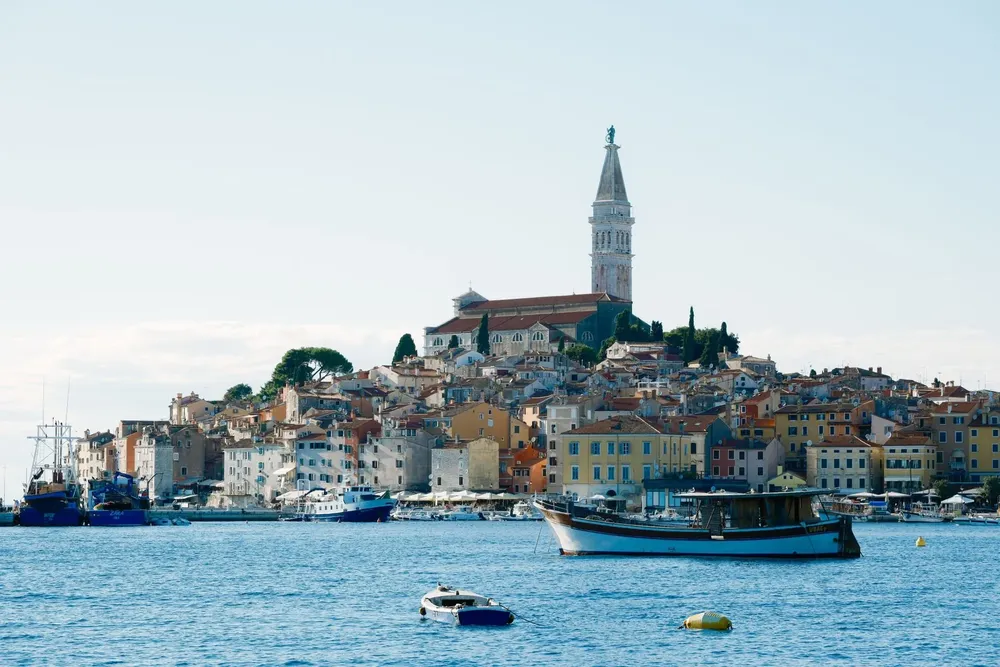
Croatia's coast cooks simply and superbly: Adriatic fish grilled over wood, oysters from Ston, lamb and octopus slow-cooked under the iron bell of the peka, Dalmatian ham and olive oil. Istria has white truffles in autumn and fine Malvazija; the south has the red Plavac Mali.
Emanuele Scarello's restaurant above the sea.
UNESCO World Heritage
A selection of the finest sites, not the full list.
The walled city of the Republic of Ragusa. UNESCO listing (opens the UNESCO site) ↗︎
The Roman palace and the medieval town built within it. UNESCO listing (opens the UNESCO site) ↗︎
Sixteen lakes linked by waterfalls in the forests inland.
Sixth-century Byzantine mosaics in Istria.
Fields laid out by Greek colonists.
Plan
Before you go, read our notes on customs and etiquette in Croatia: how to greet, what to wear and how to tip.
Keep exploring
The Mediterranean Season Letter
Four letters a year, one for each season: the Mediterranean from spring to autumn, and Beyond the Mediterranean, into the Alps, in winter. The one best hotel to book, and the events worth crossing a sea for.
We use Google Analytics cookies to see how visitors use the site. Accept them, or decline and the site works just the same. Privacy