Paphos
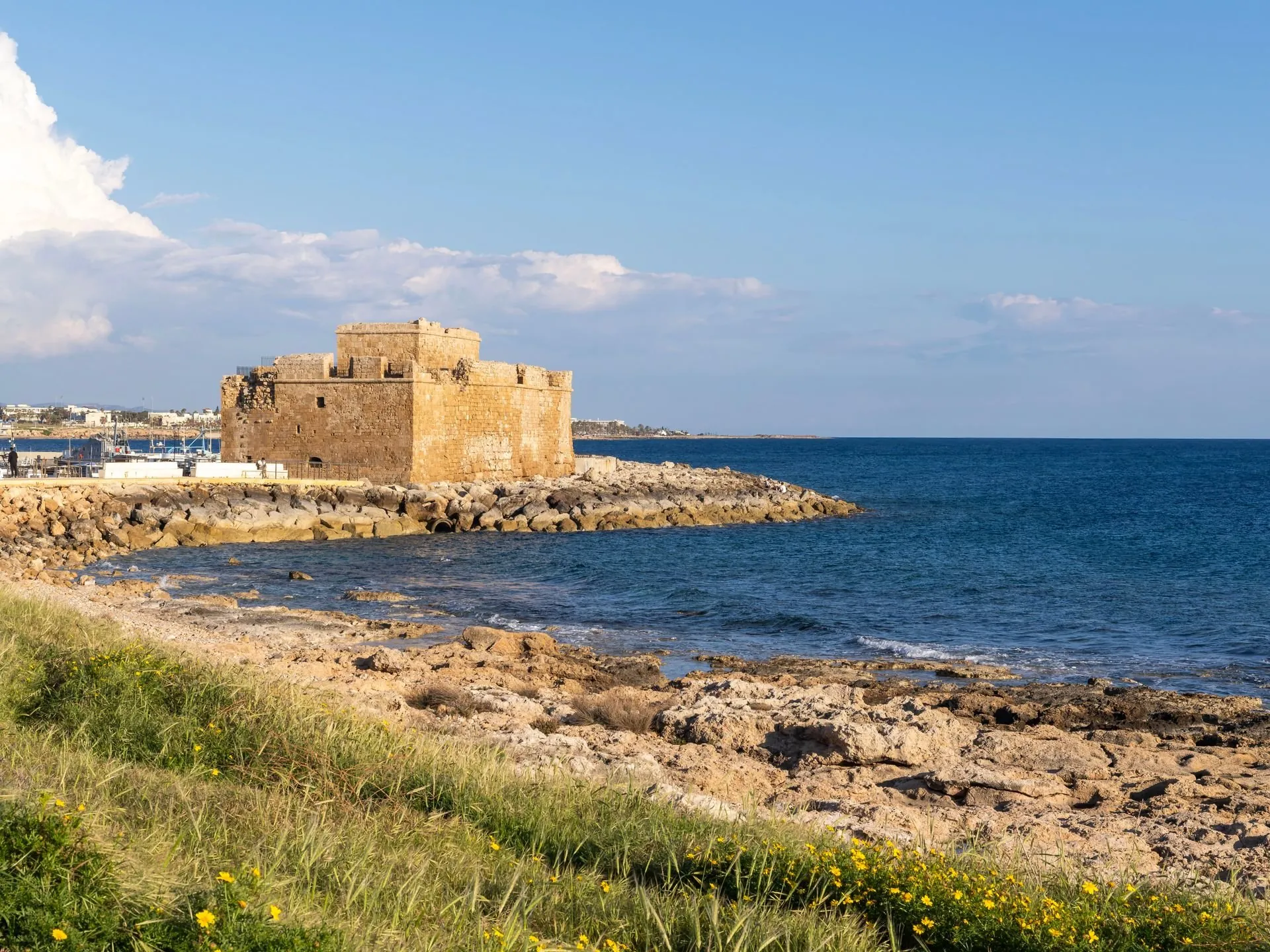
Roman villa mosaics, the Tombs of the Kings and the sanctuary of Aphrodite. UNESCO listing (opens the UNESCO site) ↗︎

Try "Saint-Tropez", "Positano", "truffle" or "Cyprus".
Home›History and Culture›Cyprus
The legendary birthplace of Aphrodite, Roman mosaics and painted mountain churches: the history, arts and flavours of Cyprus.
History
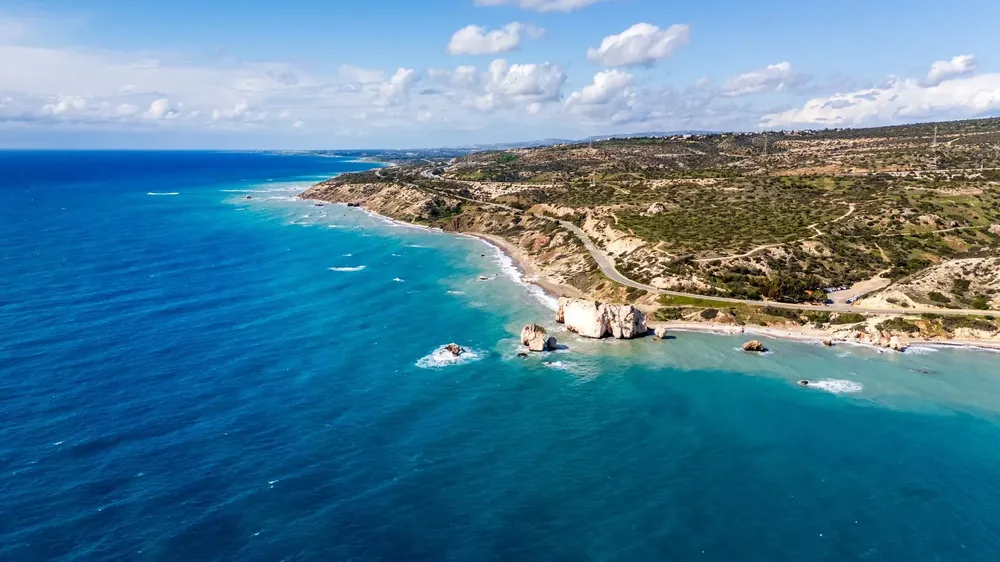
People have lived on Cyprus for more than ten thousand years; the round stone houses of Choirokoitia date from the seventh millennium BC. The island's copper made it rich in the Bronze Age, and Greek city-kingdoms grew up along its shores. Legend says Aphrodite rose from the sea at Petra tou Romiou, near Paphos, where her great sanctuary stood.
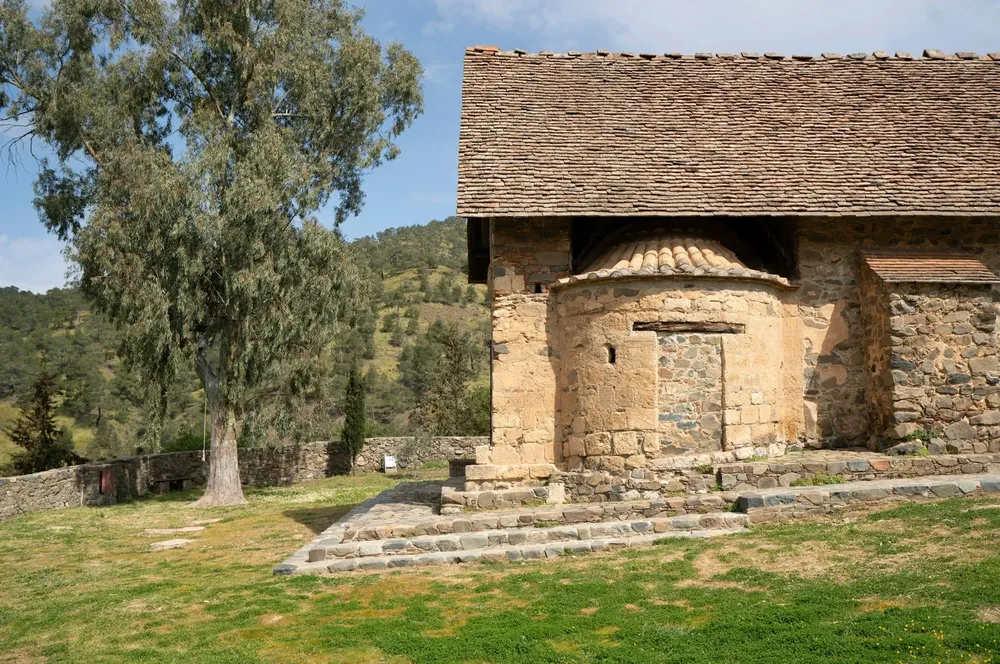
Under Rome, the villas of Paphos were floored with some of the finest mosaics in the Mediterranean. In the Byzantine centuries, monks painted small mountain churches in the Troodos with frescoes of astonishing colour. Richard the Lionheart took the island in 1191, and the Lusignan kings ruled it until Venice took over in 1489. Ottoman rule followed from 1571 and British administration from 1878; the Republic of Cyprus became independent in 1960 and joined the European Union in 2004.
One of the oldest villages in the Mediterranean.
Paphos, Salamis and Kourion.
The Paphos mosaics and the painted churches.
Gothic cathedrals and castles.
Then independence in 1960 and the European Union in 2004.
Arts and letters
Lefkara lace, worked by hand in the village of that name, is on UNESCO's intangible heritage list. The Roman theatre of Kourion, above the sea west of Limassol, hosts plays and concerts in summer.
In Nicosia, the Cyprus Museum holds the island's archaeology, from Neolithic figurines to a bronze statue of the Emperor Septimius Severus. Near Limassol, Kolossi Castle was the seat of the Knights Hospitaller's Grand Commandery, which gave Commandaria wine its name.
Born on Cyprus, founder of Stoic philosophy in Athens.
The island's most famous daughter, in legend.
At the table
Cypriot cooking is a long meze: halloumi grilled or fresh, souvla roasted over charcoal, kleftiko lamb from the clay oven, olives, village bread and fruit. Commandaria, the sweet wine of the Troodos foothills, is one of the oldest named wines in the world.
UNESCO World Heritage
A selection of the finest sites, not the full list.
Roman villa mosaics, the Tombs of the Kings and the sanctuary of Aphrodite. UNESCO listing (opens the UNESCO site) ↗︎
Ten Byzantine and post-Byzantine churches with frescoes. UNESCO listing (opens the UNESCO site) ↗︎
A Neolithic village of round stone houses. UNESCO listing (opens the UNESCO site) ↗︎
Plan
Before you go, read our notes on customs and etiquette in Cyprus: how to greet, what to wear and how to tip.
Keep exploring
The Mediterranean Season Letter
Four letters a year, one for each season: the Mediterranean from spring to autumn, and Beyond the Mediterranean, into the Alps, in winter. The one best hotel to book, and the events worth crossing a sea for.
We use Google Analytics cookies to see how visitors use the site. Accept them, or decline and the site works just the same. Privacy