Belém, Lisbon
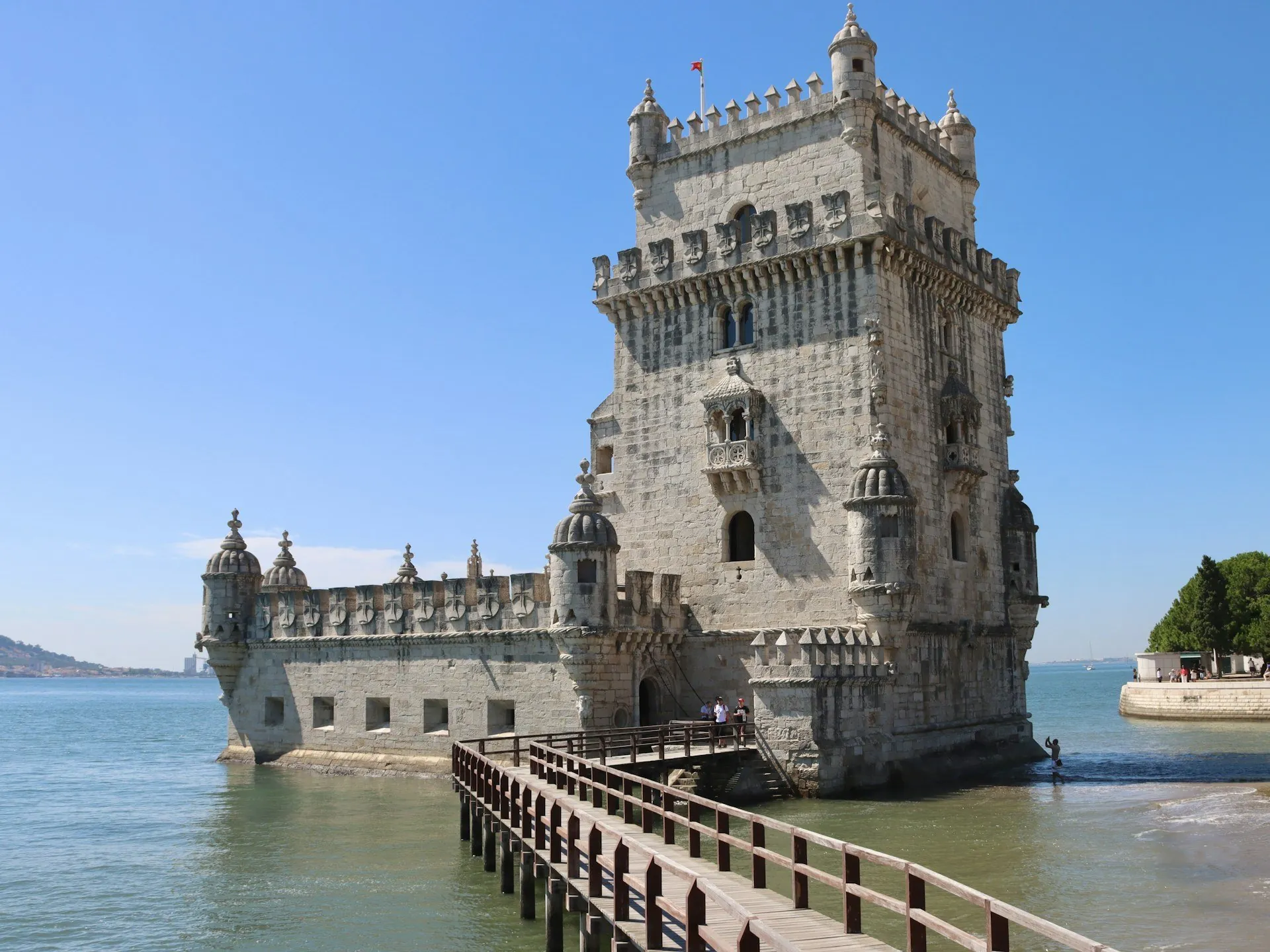
The Jerónimos Monastery and the Tower of Belém, the great monuments of the Age of Discoveries. UNESCO listing (opens the UNESCO site) ↗︎

Try "Saint-Tropez", "Positano", "truffle" or "Cyprus".
Home›History and Culture›Portugal
A small kingdom on the edge of Europe that turned to the ocean and changed the map of the world: the history, arts and great tables of Portugal.
History
Portugal is one of the oldest nation states in Europe, with borders that have barely moved since the thirteenth century. The Romans called the land Lusitania and left a temple at Évora that still stands in the main square. From the eighth century the south was part of al-Andalus, and the Algarve takes its name from the Arabic al-Gharb, "the west".
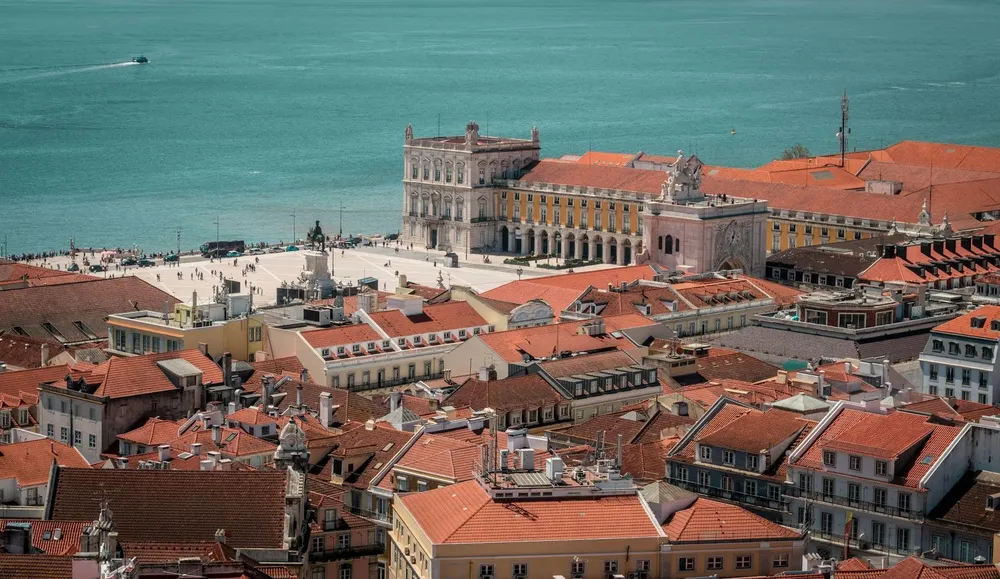
In the fifteenth century Prince Henry the Navigator sent caravels down the African coast, and in 1498 Vasco da Gama reached India by sea. The riches of the spice trade paid for the Manueline style, the exuberant, rope-carved Gothic of the Jerónimos Monastery in Belém. After the great earthquake of 1755, Lisbon's lower town was rebuilt on an elegant grid by the Marquis of Pombal, and that is the Baixa you walk today.
Roman roads, villas and the temple at Évora.
Moorish rule in the south; the Algarve was the last region taken by the Portuguese crown, in 1249.
Afonso Henriques becomes the first King of Portugal.
Henry the Navigator, Vasco da Gama and the sea route to India; the Manueline style is born.
Lisbon is rebuilt by the Marquis of Pombal.
A republic from 1910, a democracy since 1974 and a member of the European Union since 1986.
Arts and letters
Portugal's signature art is the azulejo, the painted tile that covers churches, palaces and railway stations in blue and white. Fado, sung in the taverns of Alfama and Mouraria, is on UNESCO's list of the Intangible Cultural Heritage of Humanity.
Author of Os Lusíadas, the national epic of the voyages of discovery.
Lisbon's great modernist, who wrote under dozens of invented names.
Winner of the Nobel Prize in Literature in 1998.
The voice that carried fado, the song of longing, to the world.
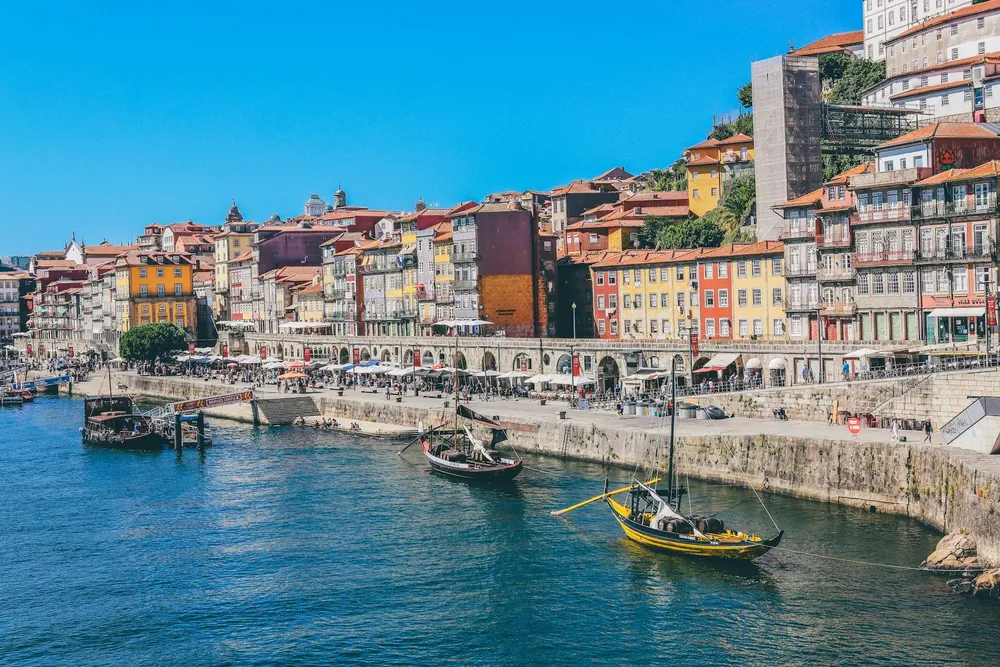
Two Pritzker Prize winners from Porto.
At the table
Portuguese cooking is built on the Atlantic: grilled sardines and sea bream, rice with seafood, and salt cod, said to have a recipe for every day of the year. The custard tart, pastel de nata, is a Lisbon institution, and the Alentejo gives black pork, cork-oak country and robust reds. In the north, the terraced vineyards of the Douro make Port, aged in the lodges of Vila Nova de Gaia.
José Avillez's flagship in the Chiado.
Dieter Koschina, on the Algarve cliffs.
Hans Neuner, at Vila Vita Parc.
Ricardo Costa, looking across the Douro to Porto.
UNESCO World Heritage
A selection of the finest sites, not the full list.
The Jerónimos Monastery and the Tower of Belém, the great monuments of the Age of Discoveries. UNESCO listing (opens the UNESCO site) ↗︎
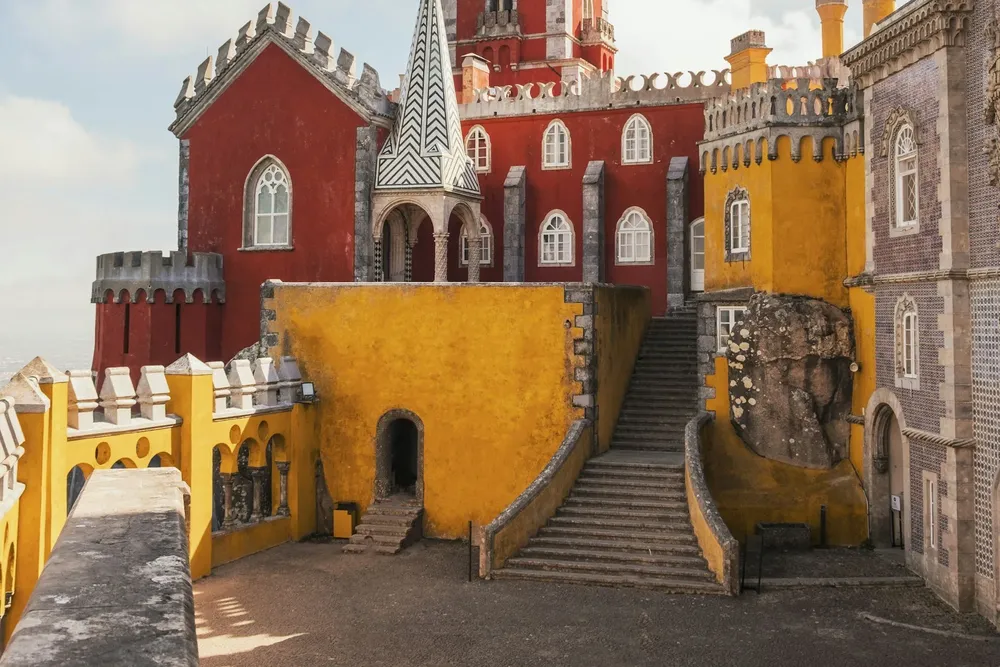
Romantic palaces, gardens and the Moorish castle in the hills above the Atlantic. UNESCO listing (opens the UNESCO site) ↗︎
A walled Alentejo city with a Roman temple and whitewashed lanes. UNESCO listing (opens the UNESCO site) ↗︎
The Alto Douro Wine Region, where Port has been made for centuries. UNESCO listing (opens the UNESCO site) ↗︎
A great Cistercian monastery and the tombs of King Pedro and Inês de Castro. UNESCO listing (opens the UNESCO site) ↗︎
Plan
Before you go, read our notes on customs and etiquette in Portugal: how to greet, what to wear and how to tip.
Keep exploring
The Mediterranean Season Letter
Four letters a year, one for each season: the Mediterranean from spring to autumn, and Beyond the Mediterranean, into the Alps, in winter. The one best hotel to book, and the events worth crossing a sea for.
We use Google Analytics cookies to see how visitors use the site. Accept them, or decline and the site works just the same. Privacy