Carthage
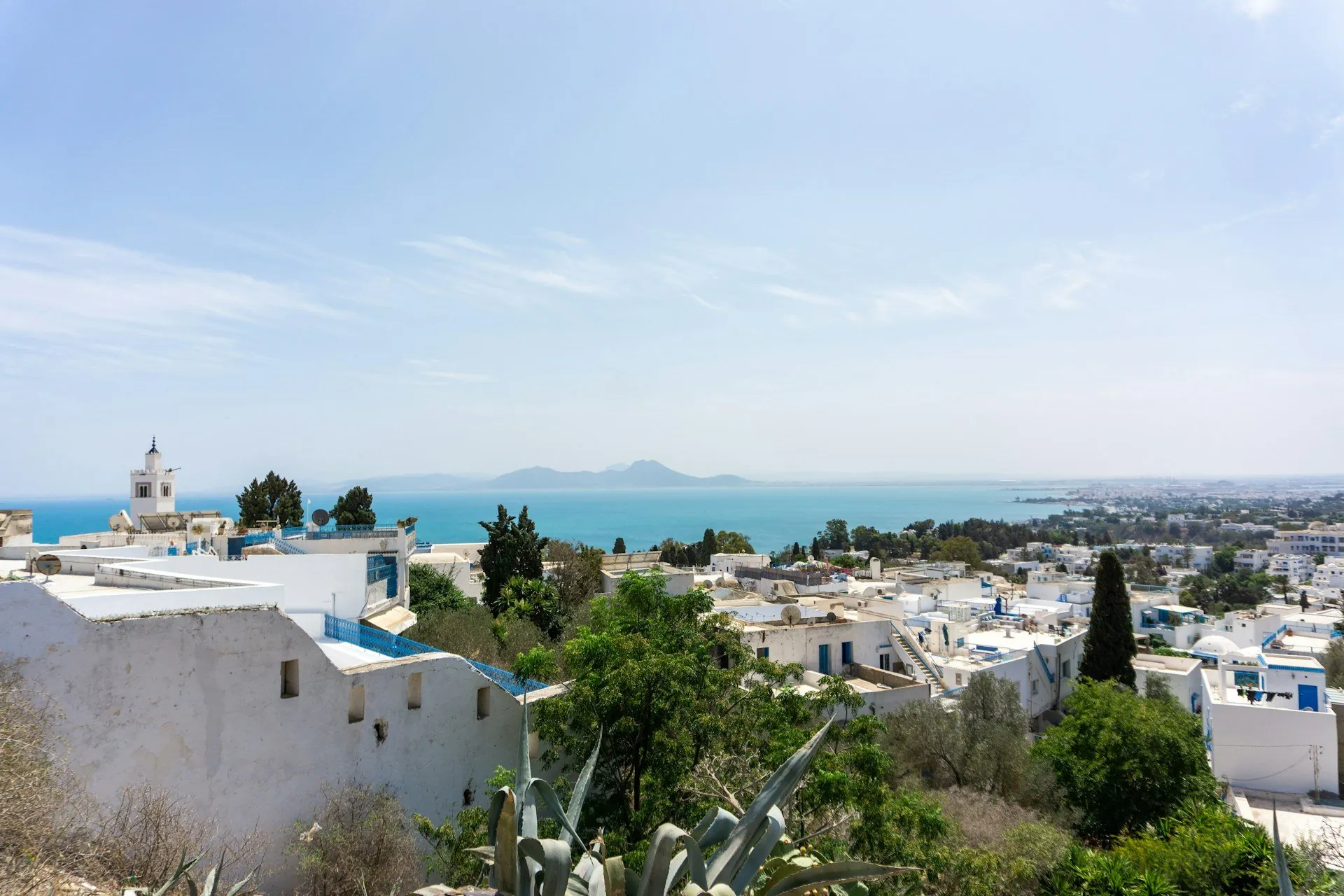
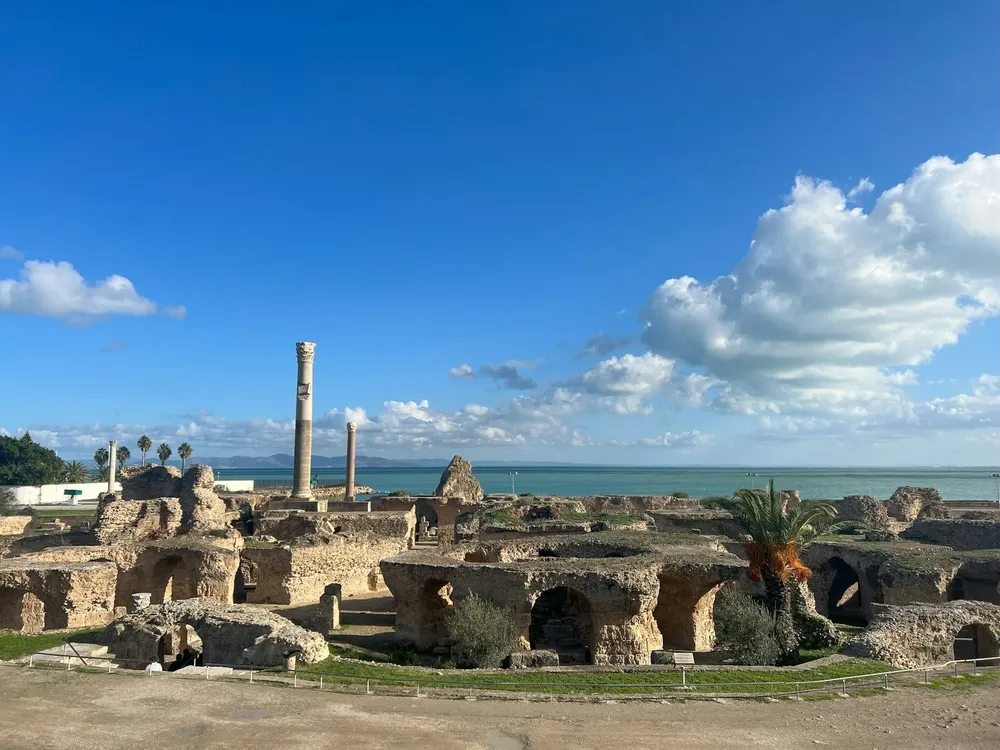
Punic and Roman ruins above the Gulf of Tunis, beside Sidi Bou Said. UNESCO listing (opens the UNESCO site) ↗︎

Try "Saint-Tropez", "Positano", "truffle" or "Cyprus".
Home›History and Culture›Tunisia
Hannibal's Carthage, the Roman amphitheatre of El Jem and the blue-and-white village above the gulf: the history and culture of Tunisia.
History
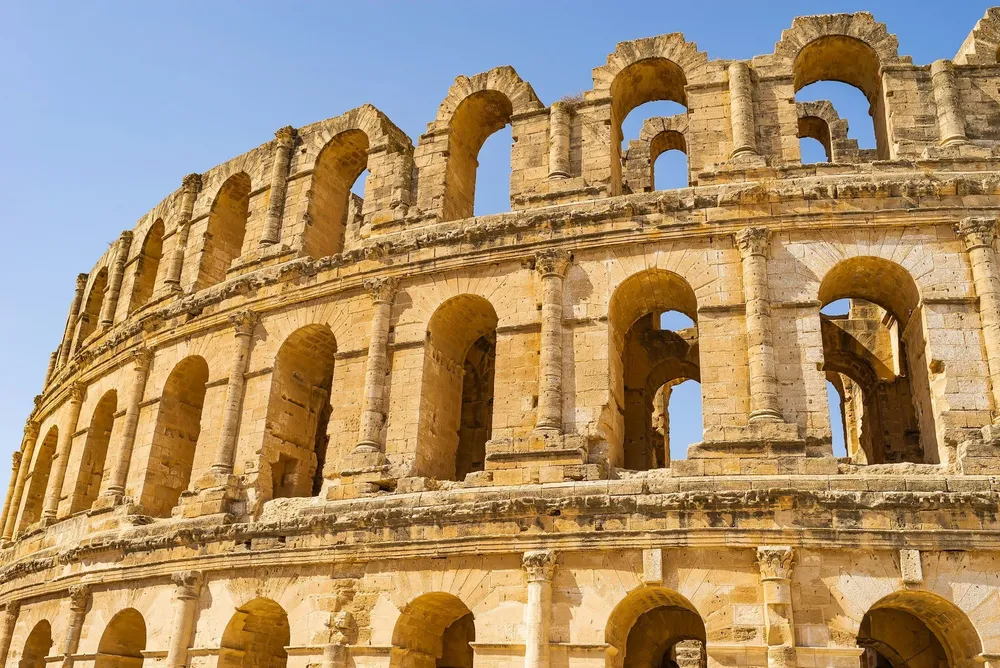
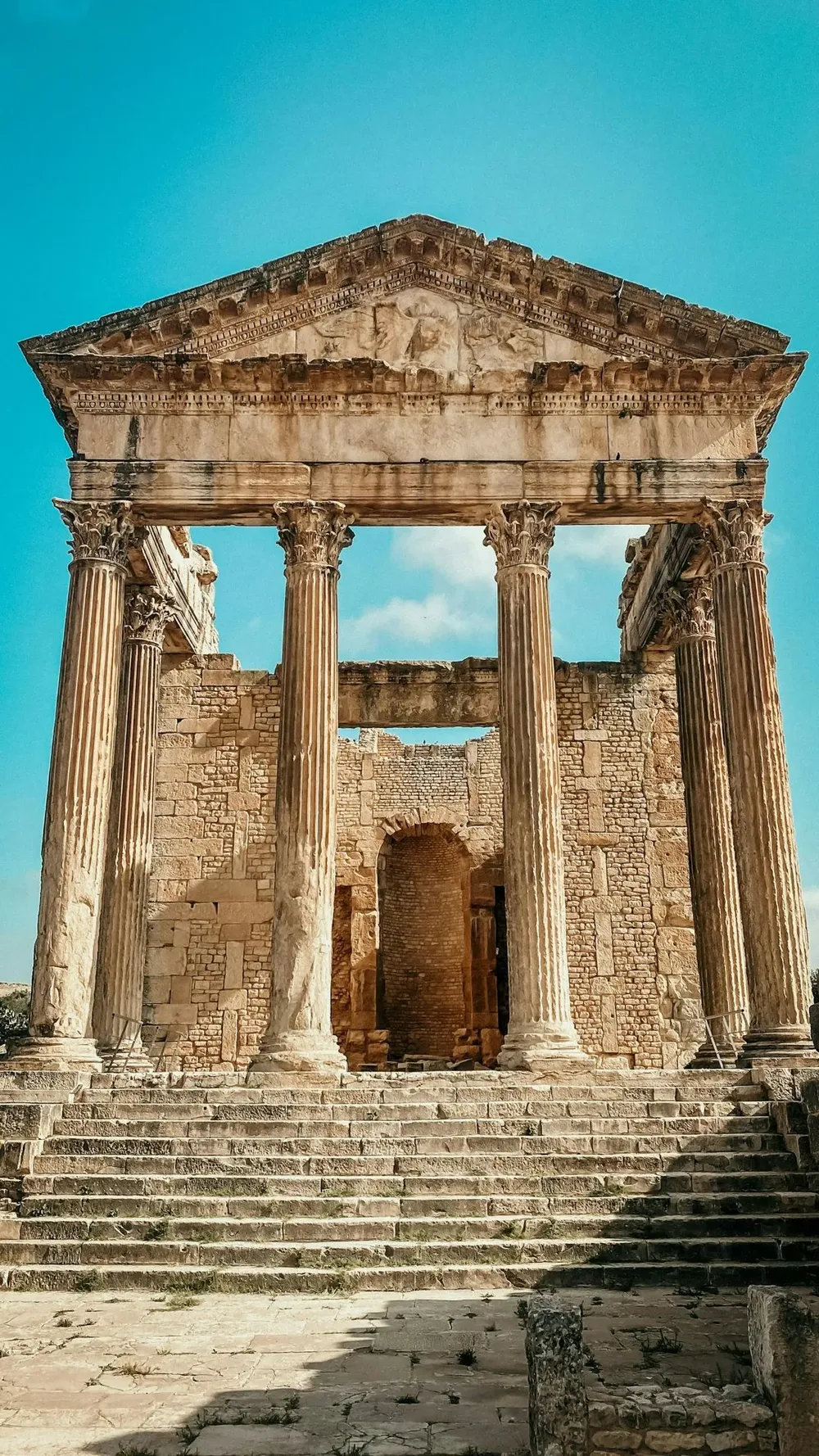
By tradition, Phoenicians from Tyre founded Carthage in 814 BC, and it grew into a sea power that challenged Rome for the Mediterranean in the Punic Wars; Hannibal crossed the Alps with his elephants in 218 BC. Rome destroyed the city in 146 BC, then rebuilt it as the capital of the province of Africa, one of the richest in the empire. The amphitheatre at El Jem and the hill town of Dougga are among the best-preserved Roman monuments anywhere.
Arab armies founded Kairouan in 670, and its Great Mosque is one of the oldest in Africa. The medina of Tunis grew around the Zitouna Mosque, and the Husainid beys ruled from 1705. Tunisia was a French protectorate from 1881 and became independent in 1956.
Founded by Phoenicians from Tyre, by tradition.
Hannibal; Carthage destroyed in 146 BC.
Dougga, El Jem and the new Carthage.
The Great Mosque.
The palaces and the medina.
Modern Tunisia.
Arts and letters
The Bardo National Museum holds one of the world's great collections of Roman mosaics. In Sidi Bou Said, the palace built by Baron Rodolphe d'Erlanger, Ennejma Ezzahra, is now a centre for Arab and Mediterranean music.
Carthage's great commander.
Born in Tunis in 1332; author of the Muqaddimah.
His journey to Tunisia in 1914 transformed his use of colour.
At the table
Tunisia cooks with olive oil, chillies and the sea. Harissa, the fiery pepper paste, and couscous, which Tunisia shares with its neighbours, are both on UNESCO's intangible heritage list. Brik, a crisp pastry with egg, and grilled fish by the harbour are everyday pleasures.
UNESCO World Heritage
A selection of the finest sites, not the full list.
Punic and Roman ruins above the Gulf of Tunis, beside Sidi Bou Said. UNESCO listing (opens the UNESCO site) ↗︎
One of the largest Roman amphitheatres. UNESCO listing (opens the UNESCO site) ↗︎
A Roman town on a hillside, with its capitol and theatre. UNESCO listing (opens the UNESCO site) ↗︎
The Great Mosque and the holy city. UNESCO listing (opens the UNESCO site) ↗︎
Souks, mosques and palaces of the old city.
Plan
Before you go, read our notes on customs and etiquette in Tunisia: how to greet, what to wear and how to tip.
Keep exploring
The Mediterranean Season Letter
Four letters a year, one for each season: the Mediterranean from spring to autumn, and Beyond the Mediterranean, into the Alps, in winter. The one best hotel to book, and the events worth crossing a sea for.
We use Google Analytics cookies to see how visitors use the site. Accept them, or decline and the site works just the same. Privacy