Škocjan Caves
One of the largest underground canyons in the world, in the Karst. UNESCO listing (opens the UNESCO site) ↗︎

Try "Saint-Tropez", "Positano", "truffle" or "Cyprus".
Home›History and Culture›Slovenia
A Venetian coast, a Habsburg capital remade by one architect and the oldest stud of Lipizzaner horses: the history, arts and great tables of Slovenia.
History
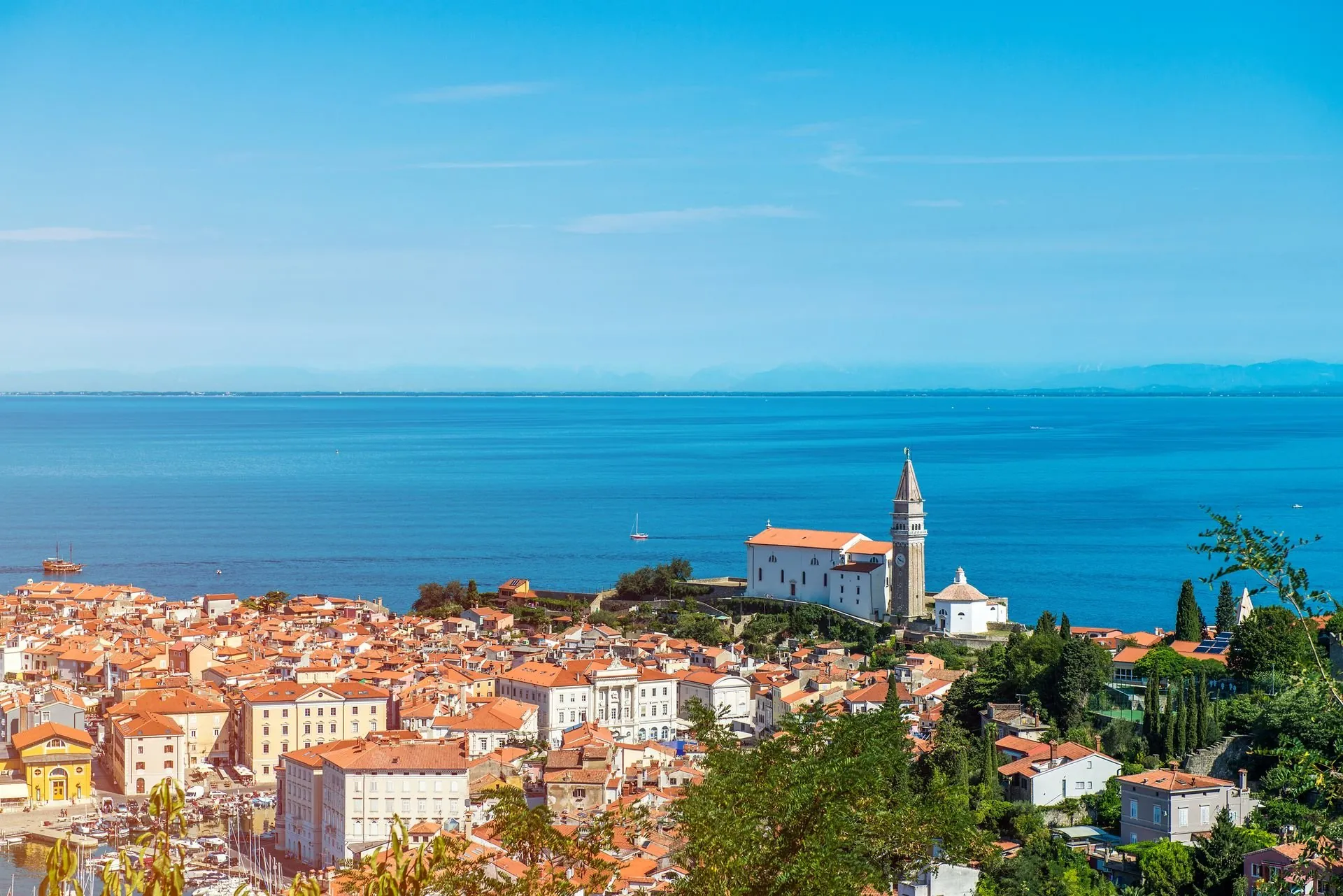
The Romans built Emona where Ljubljana stands today. Slavic peoples settled the Alps and the Karst from the sixth century, and for most of the next thousand years the Slovene lands were ruled by the Habsburgs. On the short coast, Piran and Koper belonged for centuries to the Republic of Venice, and their squares, loggias and bell towers are pure Venetian Gothic.
In 1550 Primož Trubar printed the first books in Slovene, and the poet France Prešeren gave the language its literature in the nineteenth century. After the First World War the Slovenes joined the new Kingdom of Serbs, Croats and Slovenes, later Yugoslavia. Slovenia became independent in 1991 and joined the European Union in 2004.
Roman Ljubljana.
Settlement of the Alps and the Karst.
Piran and Koper under Venice.
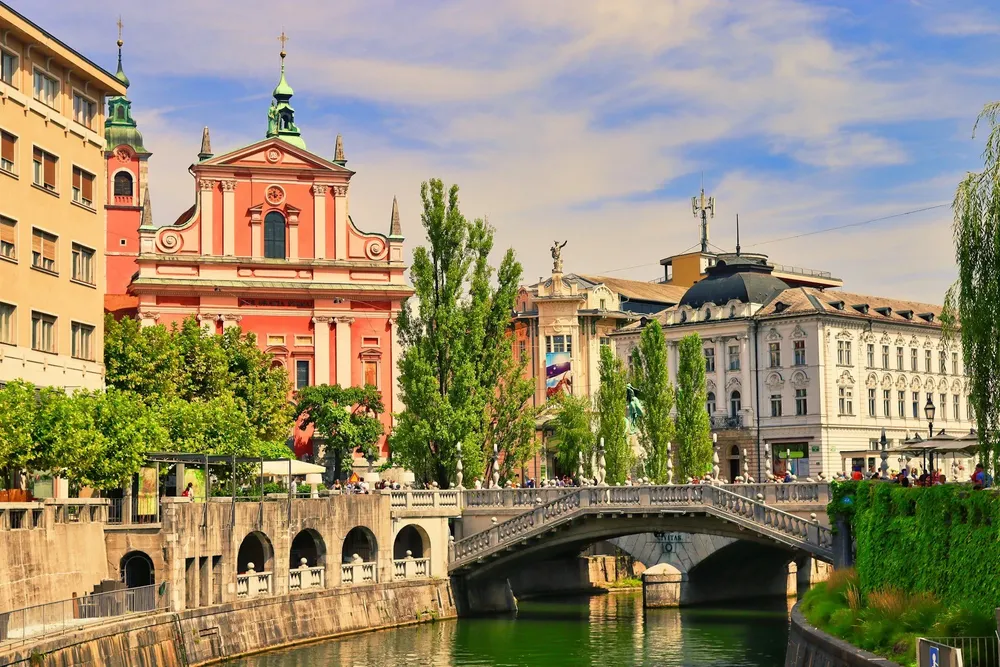
Ljubljana, capital of Carniola.
European Union in 2004, the euro in 2007.
Arts and letters
The stud at Lipica, founded in 1580, gave its name to the Lipizzaner, the white horses of the Spanish Riding School in Vienna. Ljubljana's summer festival and the salt pans of Sečovlje, worked by hand as they have been for centuries, show two sides of a small, cultivated country.
Ljubljana's Triple Bridge and the dragons of the Dragon Bridge are the city's emblems, and the Slovenian Philharmonic traces its roots to a music society founded in 1701.
His Zdravljica is the national anthem.
Remade Ljubljana with bridges, colonnades and the National Library.
Born in Piran in 1692; the main square bears his name.
The first books in Slovene, 1550.
At the table
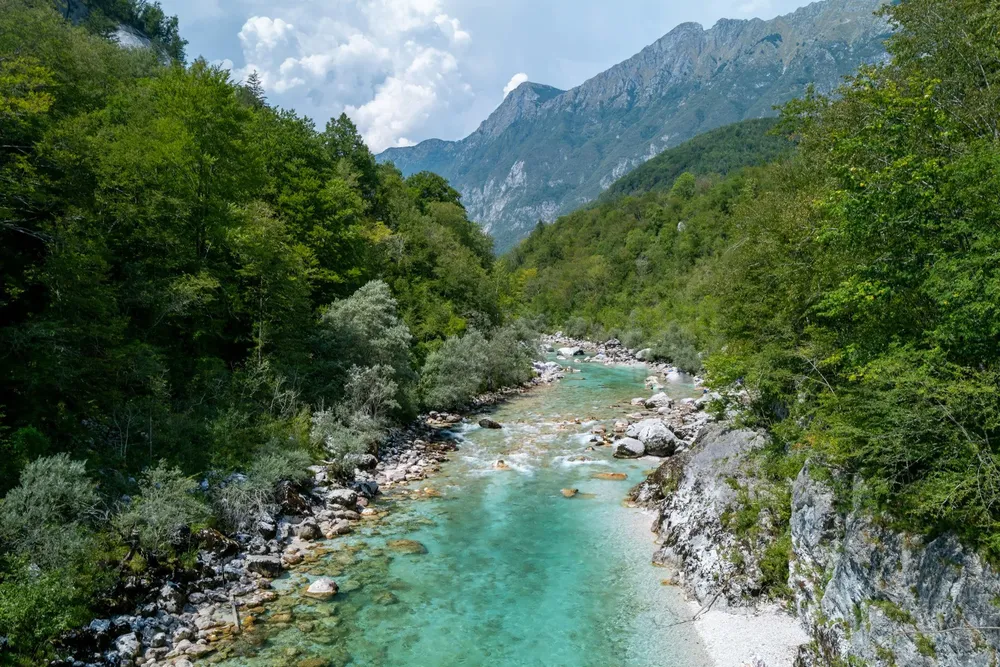
Slovenia cooks with Alpine, Italian and Hungarian accents. Karst ham and the red teran wine, sea salt from Piran, buckwheat, the walnut roll called potica and the white wines of Goriška Brda are its signatures. In the Soča valley stands the country's most celebrated table.
Ana Roš, in the Soča valley.
UNESCO World Heritage
A selection of the finest sites, not the full list.
One of the largest underground canyons in the world, in the Karst. UNESCO listing (opens the UNESCO site) ↗︎
Bridges, squares, a market and the National and University Library. UNESCO listing (opens the UNESCO site) ↗︎
Plan
Before you go, read our notes on customs and etiquette in Slovenia: how to greet, what to wear and how to tip.
Keep exploring
Where to stay
The season
Beyond the Mediterranean
History & culture
The Mediterranean Season Letter
Four letters a year, one for each season: the Mediterranean from spring to autumn, and Beyond the Mediterranean, into the Alps, in winter. The one best hotel to book, and the events worth crossing a sea for.
We use Google Analytics cookies to see how visitors use the site. Accept them, or decline and the site works just the same. Privacy