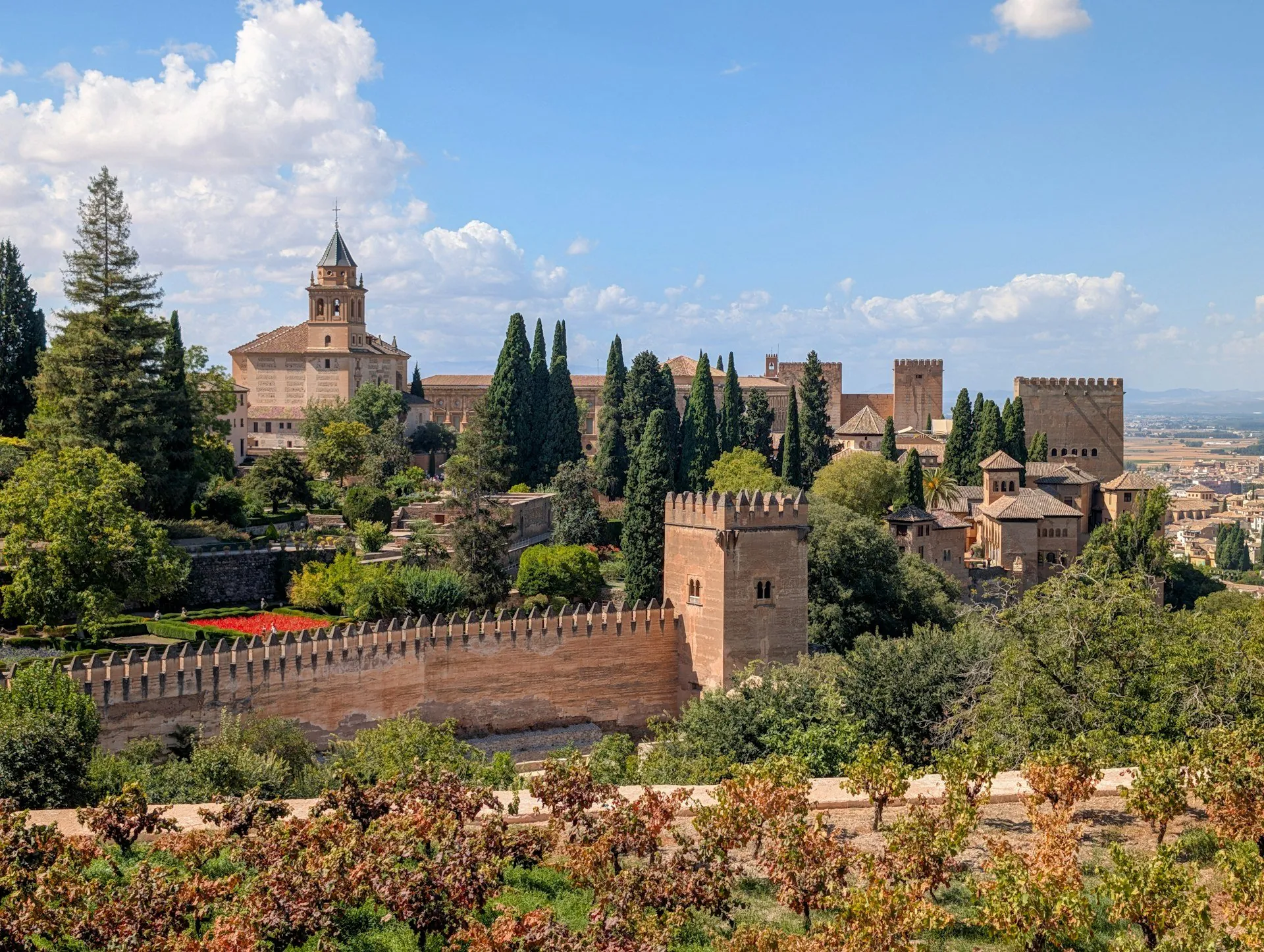
The Alhambra, Granada
The Nasrid palaces, the Generalife gardens and the old Moorish quarter of the Albayzín. UNESCO listing (opens the UNESCO site) ↗︎

Try "Saint-Tropez", "Positano", "truffle" or "Cyprus".
Home›History and Culture›Spain
Phoenician ports, Roman cities, the palaces of al-Andalus and a Golden Age of painting: the history, arts and great tables of Spain.
History
Spain's Mediterranean story begins with the Phoenicians, who founded Gadir, today's Cádiz, one of the oldest cities in western Europe. Rome made Hispania one of its richest provinces; the emperors Trajan and Hadrian were both born near Seville. From 711 much of the peninsula became al-Andalus, and under the caliphs of Córdoba it was one of the most learned places on earth.
In 1492 the Catholic Monarchs, Ferdinand and Isabella, took Granada, and the same year Columbus sailed west. The century that followed, the Siglo de Oro, gave Spain Cervantes, El Greco and Velázquez. The Bourbon dynasty, which reigns today, came to the throne in 1700, and the Constitution of 1978 made Spain the parliamentary monarchy it is now.
Trading ports along the southern and eastern coasts.
Roman cities at Tarragona, Mérida and Italica.
The Great Mosque of Córdoba, the Alcázar of Seville and the Alhambra.
Habsburg Spain; Cervantes, El Greco and Velázquez.
The Royal Palace of Madrid and the Prado, opened in 1819.
A parliamentary monarchy and, since 1986, a member of the European Union.
Arts and letters
Flamenco, the song, guitar and dance of Andalusia, is on UNESCO's list of the Intangible Cultural Heritage of Humanity. Madrid's "Golden Triangle" of the Prado, the Thyssen-Bornemisza and the Reina Sofía is one of the great art walks of the world.
Don Quixote, often called the first modern novel.
Court painter to Philip IV; Las Meninas hangs in the Prado.
From royal portraits to the Black Paintings.
Three giants of modern art, with museums in Málaga, Barcelona and Figueres.
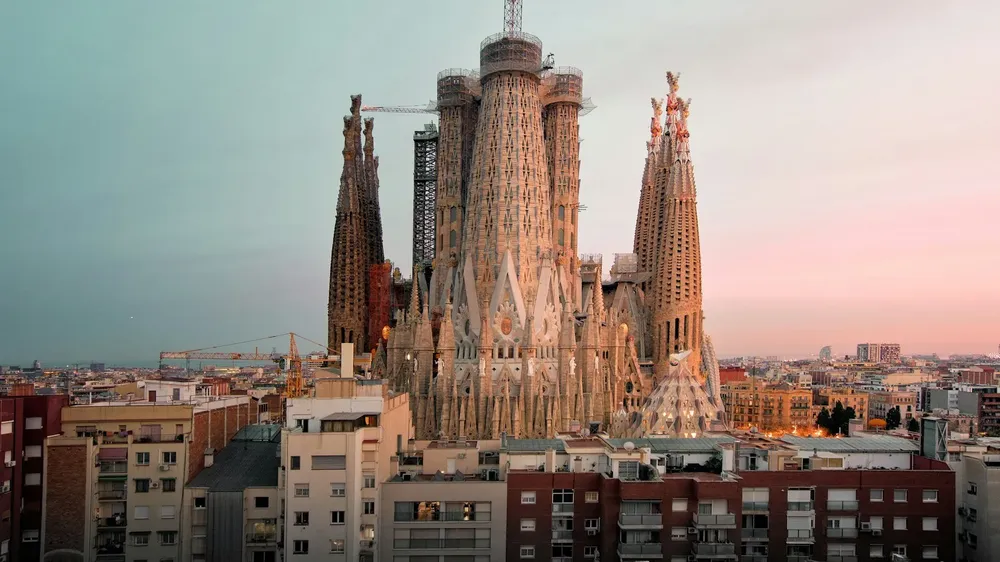
The Sagrada Família, Casa Batlló and Park Güell in Barcelona.
At the table
Spain eats late and well. Jamón ibérico, paella from Valencia, gazpacho from Andalusia and the small plates of tapas are known everywhere, and the country's creative chefs changed modern cooking. Sherry comes from Jerez, cava from Catalonia, and Rioja and Ribera del Duero are among Europe's great red wines.
Dabiz Muñoz's wildly creative cooking.
Ángel León, "the chef of the sea", in an old tide mill.
The Costa Blanca's great table.
Paco Morales's cooking, inspired by the city's Moorish past.
UNESCO World Heritage
A selection of the finest sites, not the full list.
The Nasrid palaces, the Generalife gardens and the old Moorish quarter of the Albayzín. UNESCO listing (opens the UNESCO site) ↗︎
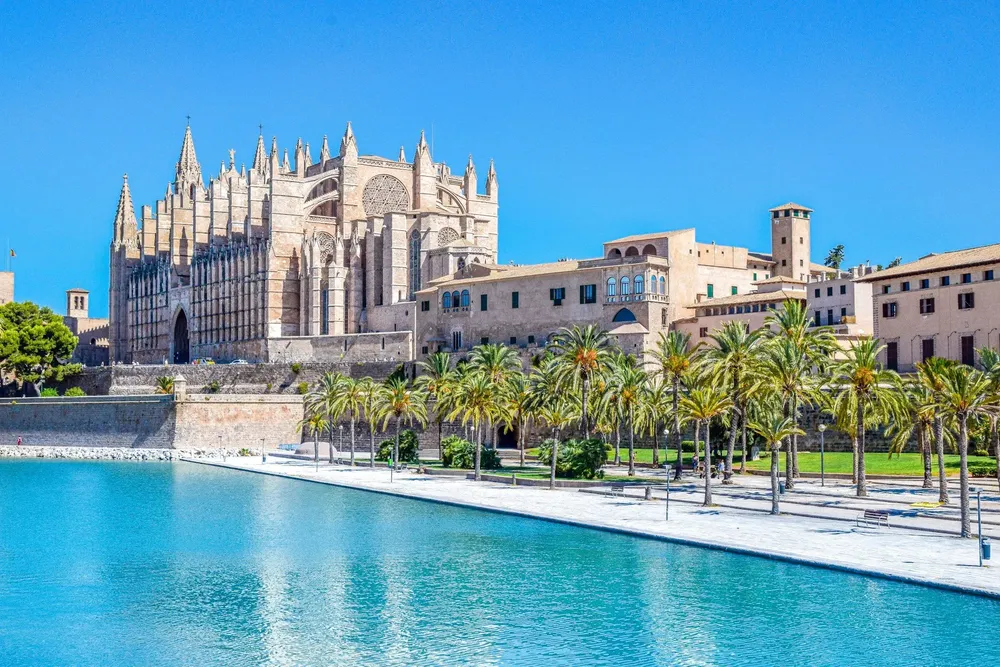
The cathedral, the Giralda, the Alcázar and the Archivo de Indias. UNESCO listing (opens the UNESCO site) ↗︎
The great museum boulevard and the royal park. UNESCO listing (opens the UNESCO site) ↗︎
The Mosque-Cathedral and the lanes of the old Jewish quarter.
The Sagrada Família, Casa Batlló, Park Güell and more in and around Barcelona.
Plan
Before you go, read our notes on customs and etiquette in Spain: how to greet, what to wear and how to tip.
Keep exploring
The Mediterranean Season Letter
Four letters a year, one for each season: the Mediterranean from spring to autumn, and Beyond the Mediterranean, into the Alps, in winter. The one best hotel to book, and the events worth crossing a sea for.
We use Google Analytics cookies to see how visitors use the site. Accept them, or decline and the site works just the same. Privacy