Butrint
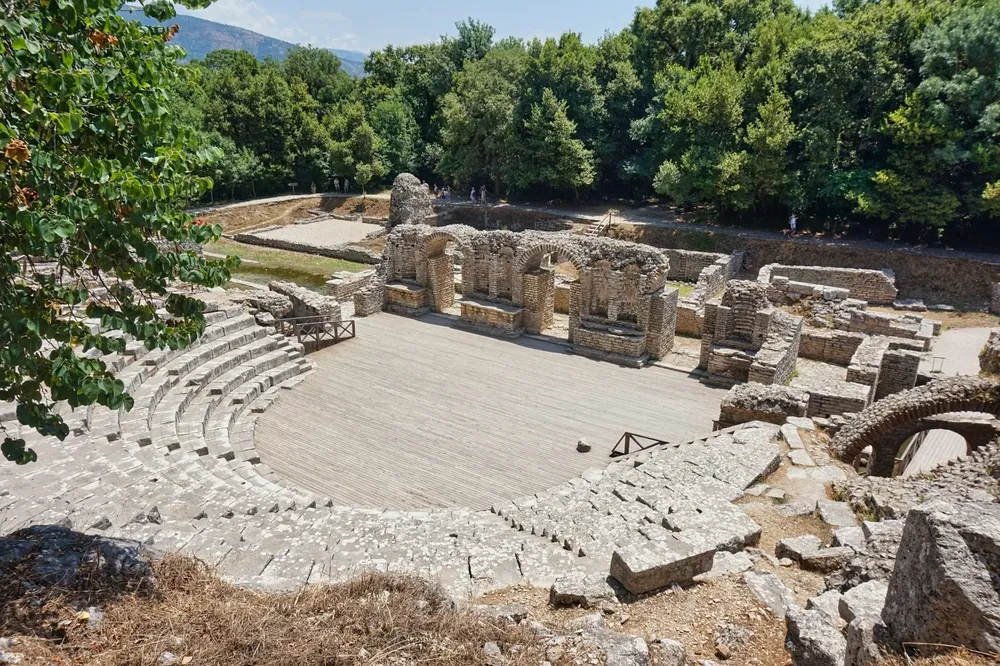
A Greek, Roman and Byzantine city in a national park near Ksamil. UNESCO listing (opens the UNESCO site) ↗︎

Try "Saint-Tropez", "Positano", "truffle" or "Cyprus".
Home›History and Culture›Albania
Illyrian hill forts, a Greek and Roman city in the marshes and stone towns of a thousand windows: the history and culture of Albania.
History
The Illyrians held these mountains long before the Greeks founded Epidamnos, today's Durrës, and Apollonia on the coast. Butrint, opposite Corfu, was Greek, Roman, Byzantine and Venetian in turn, and its theatre, baptistery and walls lie in a lagoon forest. The Roman Via Egnatia started at Durrës and ran to Constantinople.
In the fifteenth century Gjergj Kastrioti, called Skanderbeg, held back the Ottomans for a quarter of a century from his fortress at Krujë, and he remains the national hero. Ottoman rule followed until Albania declared independence at Vlorë in 1912. Zog I reigned as king from 1928 to 1939, and after decades of isolation the country opened to the world in the 1990s.
Epidamnos and Apollonia.
Butrint and the Via Egnatia.
The resistance at Krujë.
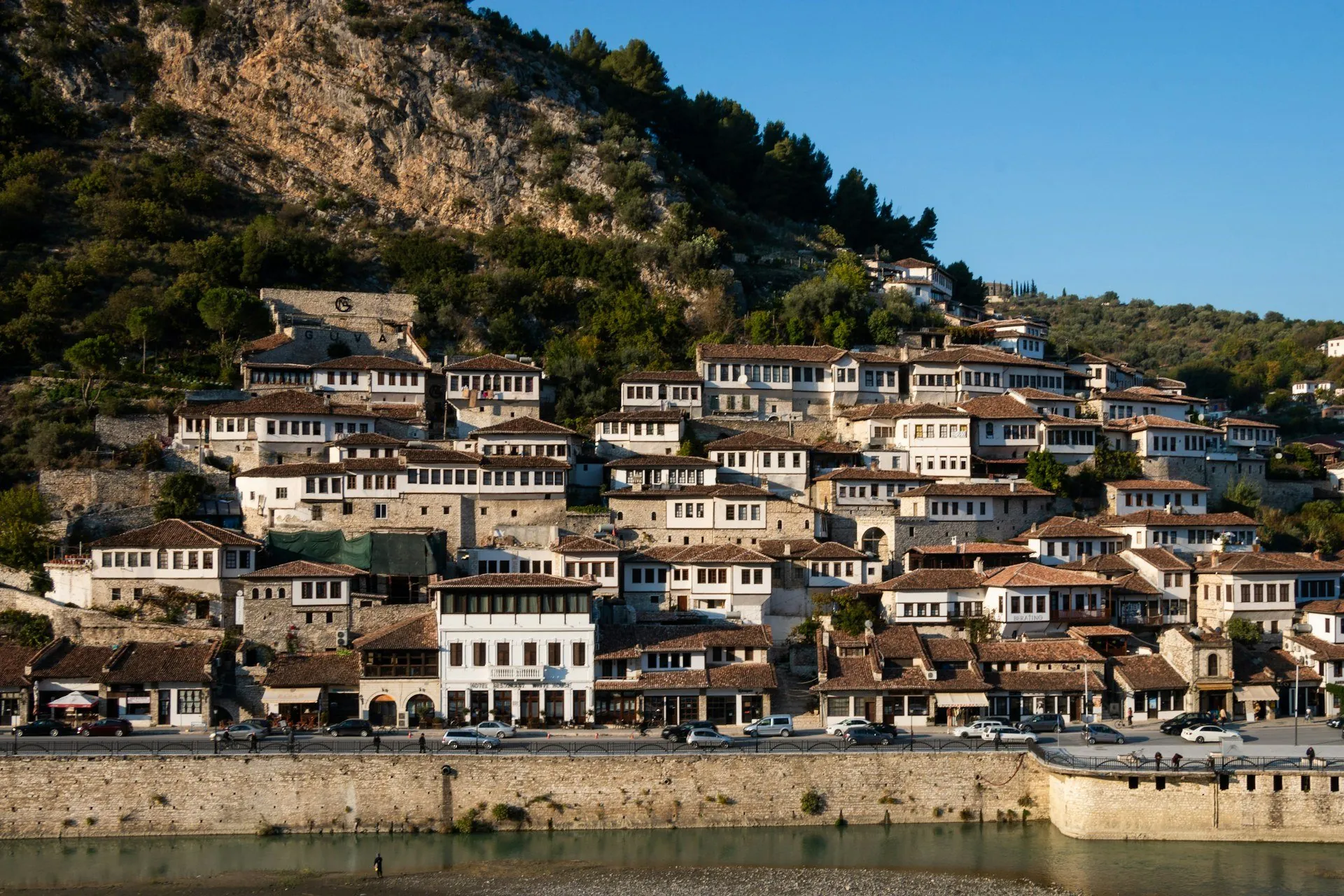
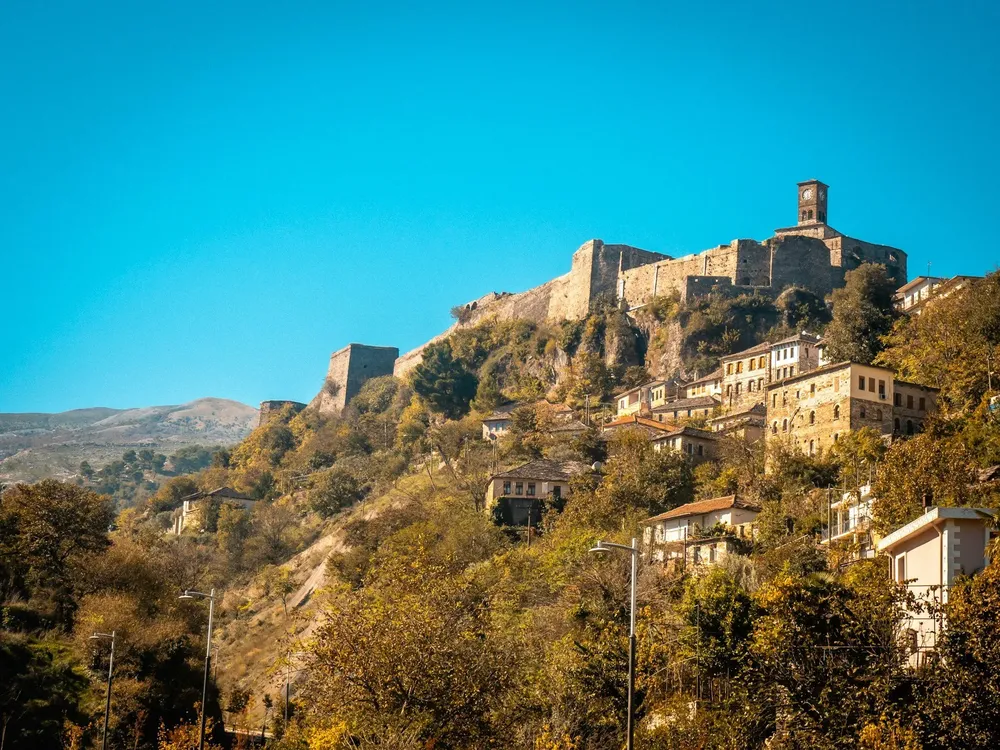
Berat and Gjirokastër.
Declared at Vlorë; King Zog I, 1928 to 1939.
Arts and letters
Albanian folk iso-polyphony, the many-voiced singing of the south, is on UNESCO's intangible heritage list. In Berat, the Onufri Museum shows the icons of the sixteenth-century master painter.
In Gjirokastër, the stone tower houses of the Ottoman beys open their painted rooms to visitors; in Berat, the Mangalem quarter climbs the hill below the citadel, where Byzantine churches still stand inside the walls. The old bazaar of Krujë, below Skanderbeg's castle, is the place for carpets, felt and filigree.
National hero; his museum is in Krujë castle.
Born in Gjirokastër, Albania's best-known writer.
The sixteenth-century master of Berat, famed for his red.
At the table
Albanian cooking is Ionian and mountain at once: fish and mussels on the riviera, lamb roasted with herbs, byrek pies, and tavë kosi, lamb baked in yoghurt, the national dish. Olive oil, figs and mountain tea come from the slopes above the sea. Raki, distilled from grapes, opens the meal, and in the evening the coffee houses of every town square fill with conversation.
UNESCO World Heritage
A selection of the finest sites, not the full list.
A Greek, Roman and Byzantine city in a national park near Ksamil. UNESCO listing (opens the UNESCO site) ↗︎
Two Ottoman stone towns of white houses and slate roofs. UNESCO listing (opens the UNESCO site) ↗︎
Plan
Before you go, read our notes on customs and etiquette in Albania: how to greet, what to wear and how to tip.
Keep exploring
The Mediterranean Season Letter
Four letters a year, one for each season: the Mediterranean from spring to autumn, and Beyond the Mediterranean, into the Alps, in winter. The one best hotel to book, and the events worth crossing a sea for.
We use Google Analytics cookies to see how visitors use the site. Accept them, or decline and the site works just the same. Privacy