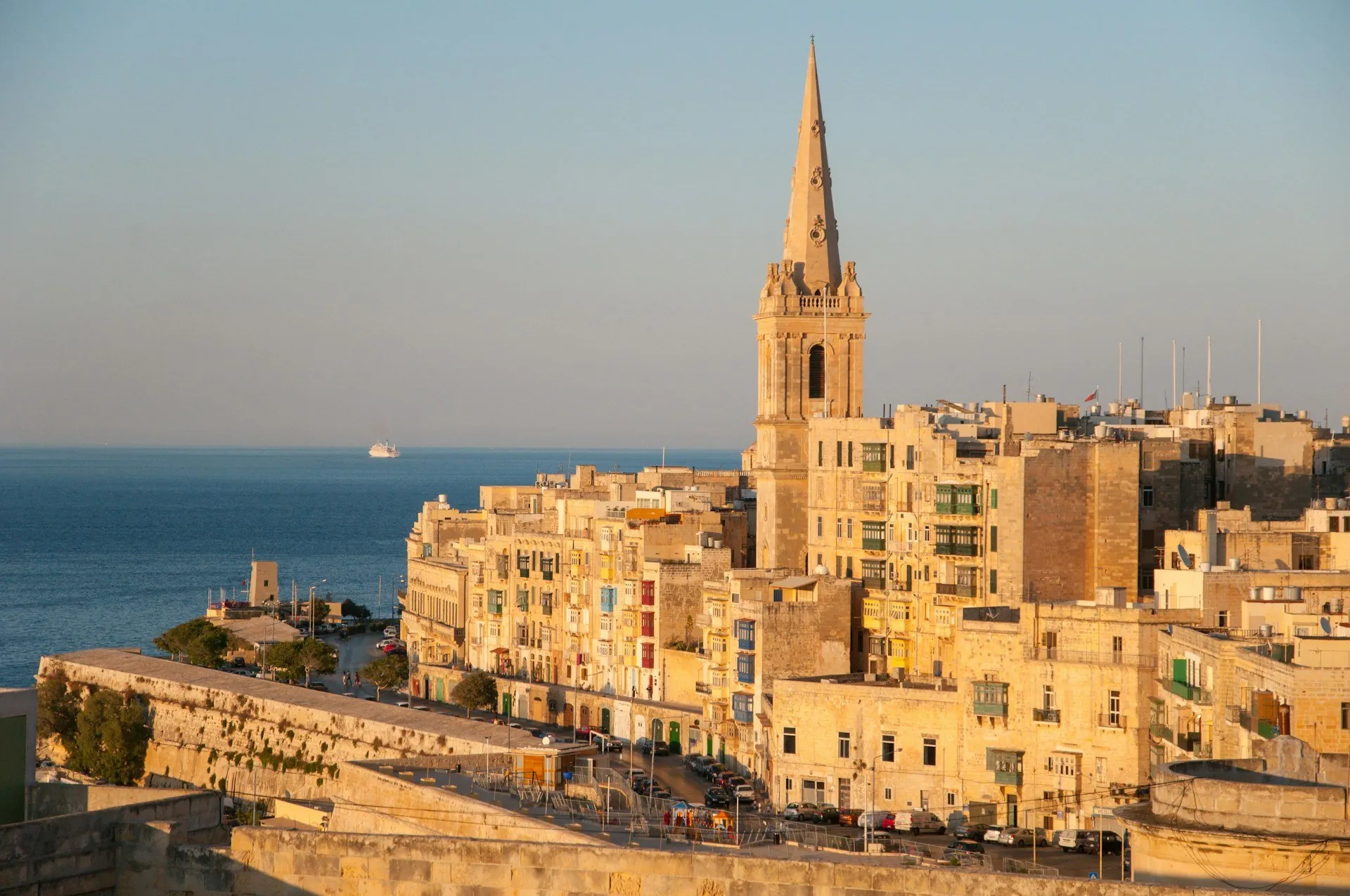
City of Valletta
The Knights' Baroque capital on its peninsula between two harbours. UNESCO listing (opens the UNESCO site) ↗︎

Try "Saint-Tropez", "Positano", "truffle" or "Cyprus".
Home›History and Culture›Malta
Temples older than the pyramids, the Knights of St John and a baroque capital built by gentlemen: the history, arts and great tables of Malta.
History
Malta's megalithic temples, built from around 3600 BC, are among the oldest free-standing stone buildings on earth, older than Stonehenge and the pyramids of Giza. Phoenicians, Romans, Byzantines and Arabs followed; tradition holds that St Paul was shipwrecked here in AD 60, and the Arab centuries gave the Maltese language its Semitic roots.
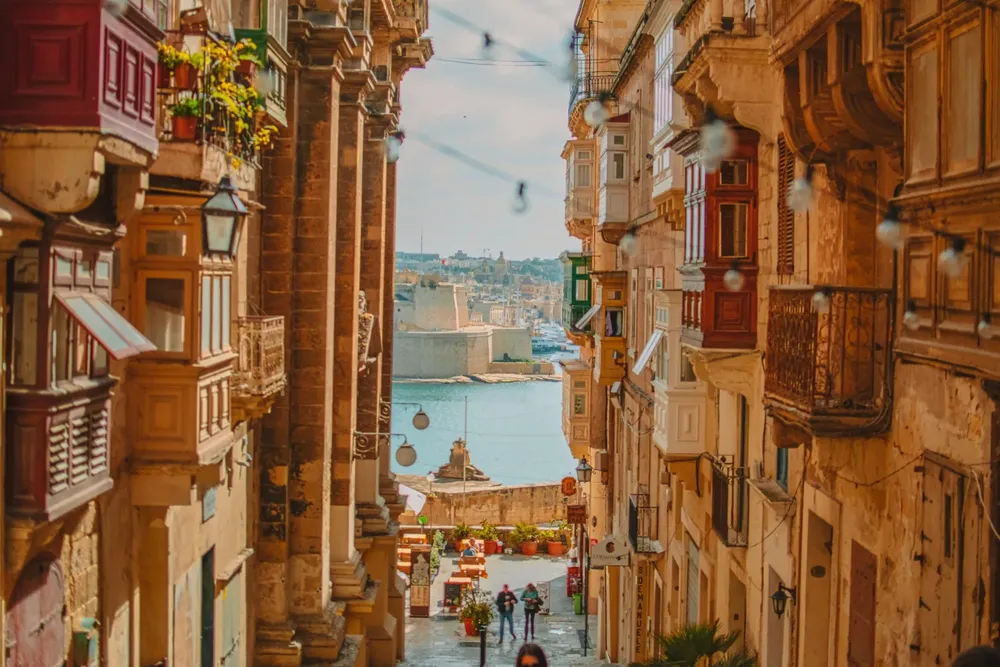
In 1530 the islands were given to the Knights of St John. In 1565 they withstood the Great Siege by the Ottoman fleet, and the next year Grand Master Jean de Valette laid the first stone of Valletta, a fortified Baroque city built, it was said, "by gentlemen for gentlemen". After a brief French occupation, Malta was British from 1800, independent from 1964 and joined the European Union in 2004.
Ġgantija, Ħaġar Qim and Mnajdra.
Melite, today's Mdina.
The roots of the Maltese language.
The Great Siege of 1565 and the building of Valletta.
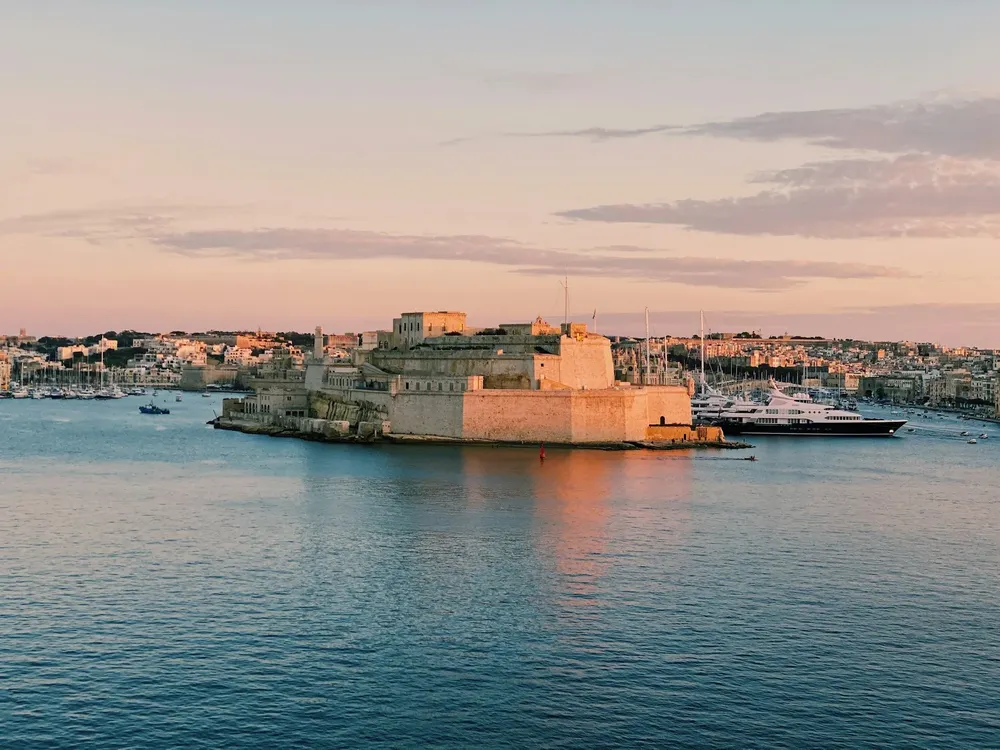
A naval base at the heart of the Mediterranean.
A republic from 1974; in the European Union since 2004.
Arts and letters
St John's Co-Cathedral, plain outside and gilded within, is one of Europe's great Baroque interiors. The Manoel Theatre, opened in 1732, is one of the oldest working theatres in Europe, and every village keeps its summer festa with fireworks and brass bands.
Led the defence in 1565 and founded the capital.
Made a Knight in 1608; his Beheading of St John the Baptist is in St John's Co-Cathedral.
Painted the vault of St John's Co-Cathedral.
At the table
Maltese cooking is Sicilian, Arab and British at once: rabbit stew, the national dish; pastizzi, flaky ricotta pastries; lampuki pie in autumn; and ftira, the ring-shaped sourdough bread recognised by UNESCO as intangible heritage. Gozo is known for its sheep's cheese and its wines.
Above the Grand Harbour.
UNESCO World Heritage
A selection of the finest sites, not the full list.
The Knights' Baroque capital on its peninsula between two harbours. UNESCO listing (opens the UNESCO site) ↗︎
Ġgantija on Gozo, and Ħaġar Qim and Mnajdra on the cliffs of Malta. UNESCO listing (opens the UNESCO site) ↗︎
A prehistoric underground burial complex cut into the rock at Paola.
Plan
Before you go, read our notes on customs and etiquette in Malta: how to greet, what to wear and how to tip.
Keep exploring
Where to stay
From the Journal
The season
History & culture
The Mediterranean Season Letter
Four letters a year, one for each season: the Mediterranean from spring to autumn, and Beyond the Mediterranean, into the Alps, in winter. The one best hotel to book, and the events worth crossing a sea for.
We use Google Analytics cookies to see how visitors use the site. Accept them, or decline and the site works just the same. Privacy