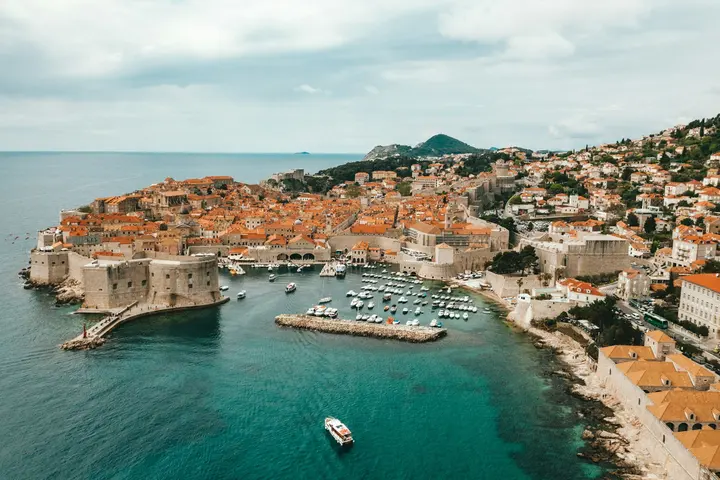
Dubrovnik: Old Town, Ploče, Lapad
Croatia’s most expensive market: houses inside the walls and villas above the sea at Ploče.
€5,815/m²Average asking price. nekretnine.hr, March 2025.
Dubrovnik & the Southern Coast: Territory page →
Try "Saint-Tropez", "Positano", "truffle" or "Cyprus".
Home›Luxury Real Estate›Croatia Real Estate
Dubrovnik’s walls, the islands of Hvar and Brač and the villas of Istria and Opatija: Americans can buy in Croatia, with reciprocity and the consent of the Ministry of Justice.
At a glance
Why buy here
Croatia has the Adriatic’s longest coast and its most famous old town. Dubrovnik is the country’s most expensive market; Split and the islands of Hvar, Brač and Vis draw the yachting set; Istria and the Opatija riviera offer Habsburg villas, truffles and wine.
Croatia joined the euro in 2023. EU buyers buy like Croatians; Americans from most states can buy with the consent of the Ministry of Justice, and amendments accepted by the Government in 2025 would remove that step once Croatia joins the OECD.
For sailing, hotels and the islands, see our guide to Croatia.
Who can buy
EU, EEA and Swiss citizens and companies have the same rights as Croatians, outside protected nature and defence areas.
Americans and other non-EU buyers apply in writing to the Ministry of Justice, Administration and Digital Transformation for consent, with the signed contract, a land register extract, a planning certificate showing the plot is in the construction zone, a passport copy and a power of attorney. Title is registered only once consent is granted. Reciprocity covers 43 states and DC without conditions; Arkansas, Hawaii, Kentucky, Minnesota, Mississippi, New Hampshire, Oklahoma and Vermont only with permanent residence in Croatia; confirm the position for any other state.
A change is coming. Amendments accepted by the Government on 27 February 2025 would let OECD nationals, including Americans, buy like EU citizens, but only from the date Croatia joins the OECD. Until then the consent route applies. A Croatian company owned by foreigners buys as a domestic entity.
Best areas to buy
Average asking or listing prices per square metre with source and year. Prime seafront villas sell well above them; no reliable prime index exists.
Croatia’s most expensive market: houses inside the walls and villas above the sea at Ploče.
€5,815/m²Average asking price. nekretnine.hr, March 2025.
Dubrovnik & the Southern Coast: Territory page →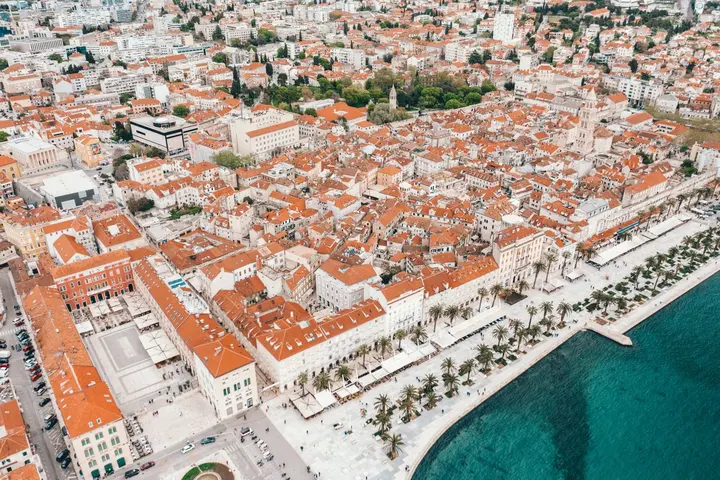
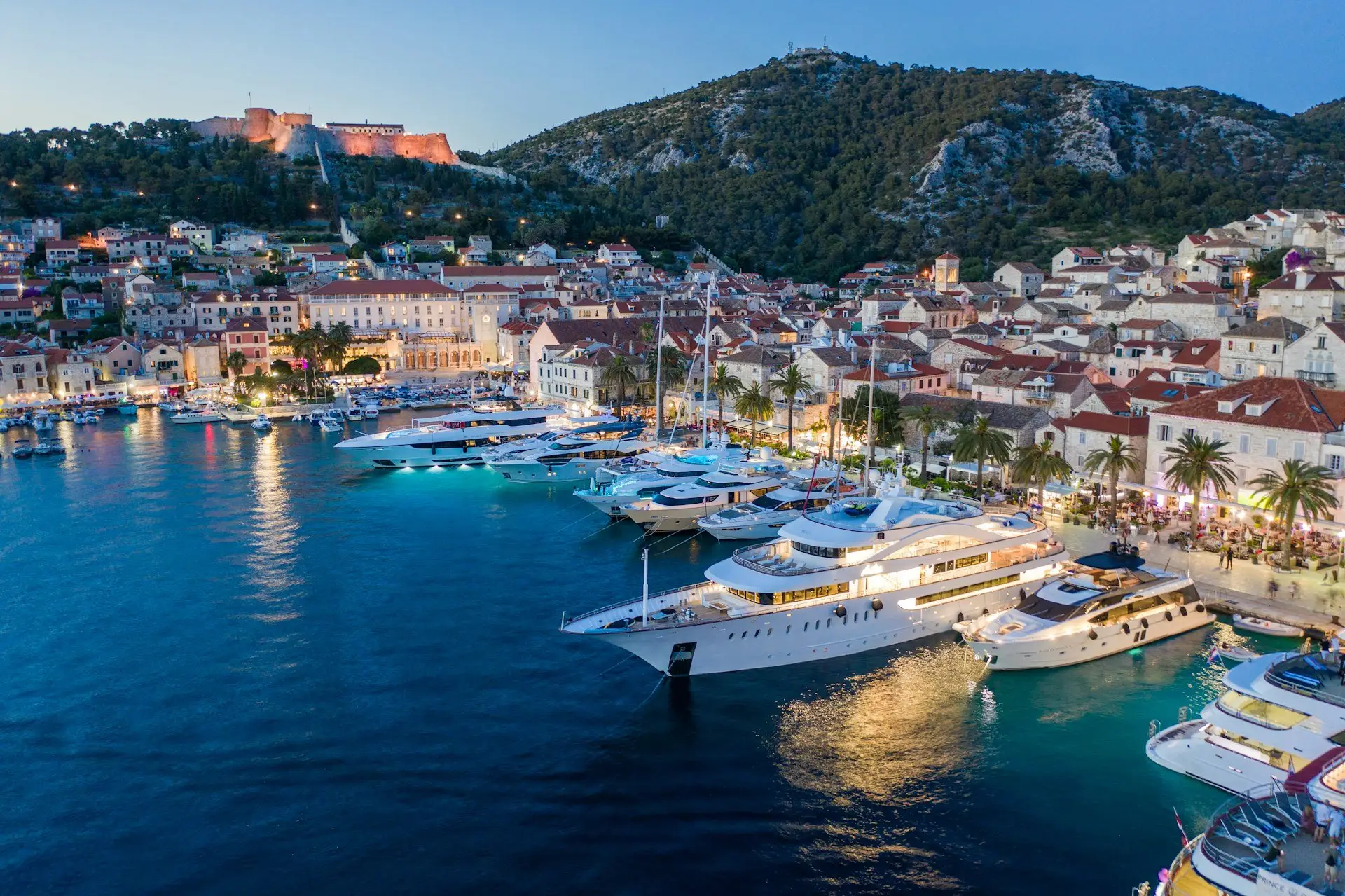
The fastest-rising city on the coast, and the islands of the yachting set: Hvar town, Stari Grad, Brač, Vis and Korčula.
€5,183/m²Average asking price for Split flats. Njuškalo, 2025. No reliable figure for Hvar itself.
Split, Hvar & the Dalmatian Islands: Territory page →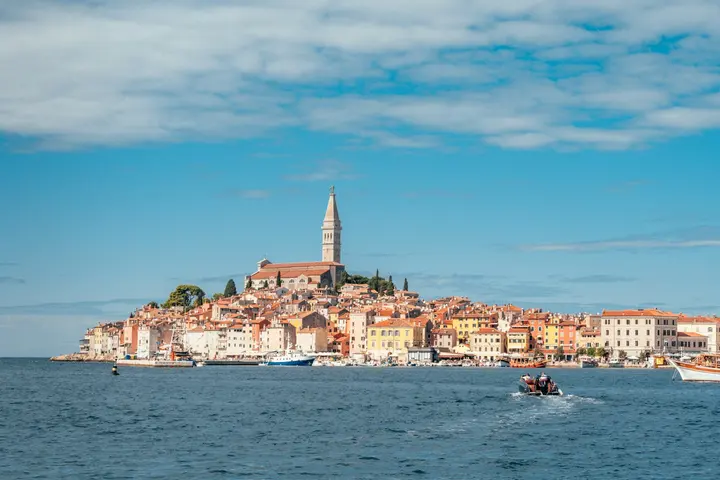
Habsburg-era villas on the Opatija riviera and the gourmet and wine coast of Rovinj.
Just above €5,100/m²Opatija riviera average. HrTurizam, July 2025. No verified figure for Rovinj.
Istria: Territory page →Developers
The first branded residences on the Croatian coast; the hotel opened in August 2026. Visit website (opens the official site) ↗︎
A Relais & Châteaux resort building and selling five villas and twelve residences (July 2026). Visit website (opens the official site) ↗︎
How to buy
Timeline. About one to three months for EU buyers, plus the consent period for non-EU buyers, which can take several months.
Lawyers and lenders who serve foreign buyers can be listed on this page. To advertise, write to [email protected].
Taxes and fees
| Item | Rate or cost | Notes |
|---|---|---|
| Real estate transfer tax | 3% of market value | Paid by the buyer |
| VAT on new builds | Instead of transfer tax | On a first sale by a VAT-registered developer |
| Notary certification | Tariff-based |
| Item | Rate | Notes |
|---|---|---|
| Property tax (since 1 January 2025) | €0.60–8.00 per m² a year | Set by each municipality. Your permanent home and long lets of 10+ months are exempt; short tourist lets are not |
| Tourist letting by individuals | €20–300 per bed a year | Flat tax set by each municipality within national bands |
| Capital gains | 24% | Exempt after two years of ownership, and on your own home |
| Wealth tax | None |
Owning property is not in itself a ground for residence, and Croatia has no flat-tax regime for newcomers.
For remote workers employed outside Croatia:
Founding Partners
Three places for Founding Partner Agencies and three for Developers in each Territory. Places are open.
Questions buyers ask
Yes, for most states. Croatia recognises reciprocity for 43 states and DC; American buyers then need the consent of the Ministry of Justice before title is registered.
No processing time is published. Allow several months, and make the contract conditional on consent.
Amendments accepted by the Government in 2025 would let OECD nationals buy like EU citizens, but only from the date Croatia joins the OECD. Until then, consent is still required.
A 3% transfer tax on resale property, paid by the buyer. New builds from a VAT-registered developer carry VAT instead.
Yes, since 1 January 2025: €0.60 to €8.00 per square metre a year, set by the municipality. Your permanent home and long-term lets are exempt.
Where to stay while you look
Selected by TheMediterranean.com · Dugi Otok, Dalmatia
View the ResortSources
Checked 31 October 2026. Rules and rates change; confirm with a qualified lawyer and tax adviser before you buy. TheMediterranean.com is not a real estate broker, agent or finder, and nothing here is legal, tax or immigration advice.
Keep exploring
History & culture
The season
The Mediterranean Season Letter
Four letters a year, one for each season: the Mediterranean from spring to autumn, and Beyond the Mediterranean, into the Alps, in winter. The one best hotel to book, and the events worth crossing a sea for.
We use Google Analytics cookies to see how visitors use the site. Accept them, or decline and the site works just the same. Privacy