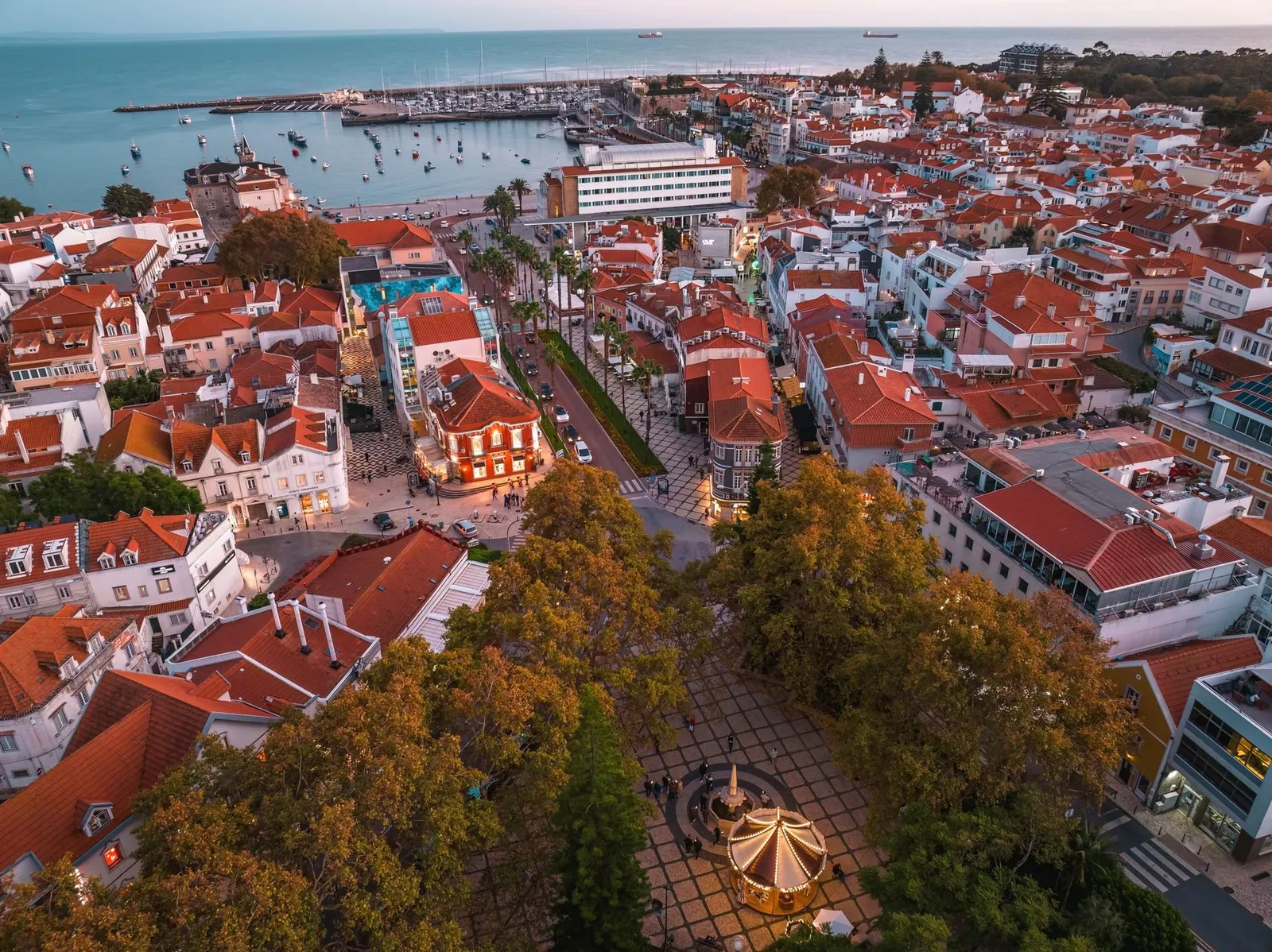
Portugal
Foreigners buy freehold with no permit. Non-resident buyers of homes now pay a flat 7.5% transfer tax, refundable if they become resident within two years. Property no longer leads to the Golden Visa.
The Portugal buying guide →
Try "Saint-Tropez", "Positano", "truffle" or "Cyprus".
Home›Real Estate›Can Foreigners Buy?
Twenty countries and territories, from Portugal to Morocco: where foreigners can buy, where a permit is needed, the main purchase tax, which homes lead to residence, and which countries have a US tax treaty.
Twenty countries
West to east, from Portugal to Morocco. Taxes shown are the buyer's main purchase tax; see each guide for the full costs.
| Country | Can foreigners buy? | Permit needed? | Main purchase tax | Residency through property | US tax treaty |
|---|---|---|---|---|---|
| Portugal | Yes, freehold | No | IMT transfer tax up to 7.5% plus 0.8% stamp duty; non-resident home buyers pay a flat 7.5% IMT since 20 May 2026 | No: property left the Golden Visa in October 2023 | Yes |
| Spain | Yes, freehold | Only in military restricted zones (non-EU buyers) | Regional transfer tax on resales (7% in Andalusia, 8–13% in the Balearics); 10% VAT plus stamp duty on new builds | No: the Golden Visa ended on 3 April 2025 | Yes |
| Gibraltar | Yes; most homes are long leasehold | No | Stamp duty in bands, 4.5% at the top (about £80,250 on £2 million) | Partly: Category 2 and HEPSS status need an approved Gibraltar home; Category 2 now needs £5 million net worth | No |
| France | Yes, freehold | No | Transfer duties about 5.81% (Alpes-Maritimes) to 6.32%; 20% VAT inside the price on new builds | No | Yes |
| Monaco | Yes, freehold | No | Registration duty 4.75% for individuals and transparent Monaco SCIs; 10% for opaque structures | A Monaco home is a core requirement for a residence card; no golden visa | No |
| Italy | Yes (reciprocity, which US citizens meet) | No | 9% registration tax on the cadastral value of a resale; VAT 10% or 22% on new builds | No | Yes |
| Malta | Yes, freehold | AIP permit for non-EU buyers outside Special Designated Areas | Stamp duty 5% | Yes: Permanent Residence Programme, €375,000 purchase or €14,000 a year rent, plus fees | Yes |
| Slovenia | Yes (EU, OECD and EFTA citizens, including Americans) | No, for OECD citizens | 2% transfer tax, paid by the seller unless agreed otherwise | No | Yes |
| Croatia | Yes, with consent | Ministry of Justice consent for non-EU buyers; US reciprocity depends on the state | 3% transfer tax, paid by the buyer | No | No: signed, not in force |
| Bosnia and Herzegovina | Yes, subject to reciprocity | No separate permit; reciprocity is checked at registration | Transfer tax set by canton (5% in Sarajevo Canton); none in Republika Srpska; 17% VAT on new builds | No golden visa | Not confirmed |
| Montenegro | Yes, freehold | No (some land types are restricted) | Transfer tax 3% / 5% / 6% by band | Yes: a one-year permit for property assessed at €150,000 or more | No |
| Albania | Yes, not agricultural land | No | No transfer tax on a resale; 20% VAT on new builds | No golden visa; a permit for owners is reported, not confirmed | No |
| Greece | Yes, freehold | In border areas (including Santorini) for non-EU buyers | 3.09%; a 15% rate for non-EU buyers was announced on 6 September 2026, not yet law | Yes: Golden Visa from €250,000 to €800,000 | Yes |
| Türkiye | Yes, freehold | No; a licensed valuation report is required | Title deed fee 4%, usually split between buyer and seller | Yes: permit from US$200,000; citizenship from US$400,000 | Yes |
| Cyprus | Yes, freehold | Yes, for non-EU buyers | Transfer fees 3–8%, halved; 19% VAT on new builds | Yes: permanent residence from €300,000 plus VAT | Yes |
| Israel | Yes | Israel Land Authority approval for one home (routine) | Purchase tax 8% and 10% for non-residents | No | Yes |
| Egypt | Yes, generally up to two homes | No; exceptions to the caps by the Minister of Justice | Low buyer costs; the seller pays 2.5% | Yes: citizenship from US$300,000; residence permits (thresholds to confirm) | Yes |
| Tunisia | Yes, with authorisation | Yes: the governor's authorisation | Registration and land-registry duties, roughly 6–10% in all | No | Yes |
| Algeria | Legally yes; rare in practice | Yes: the wali's authorisation | About 5% registration plus 1% land-registration tax and notary fees | No | Not confirmed |
| Morocco | Yes, freehold | No, for urban homes | 4% registration duty plus 1.5% land-registry fee | No | Yes |
Country by country
Foreigners buy freehold with no permit. Non-resident buyers of homes now pay a flat 7.5% transfer tax, refundable if they become resident within two years. Property no longer leads to the Golden Visa.
The Portugal buying guide →
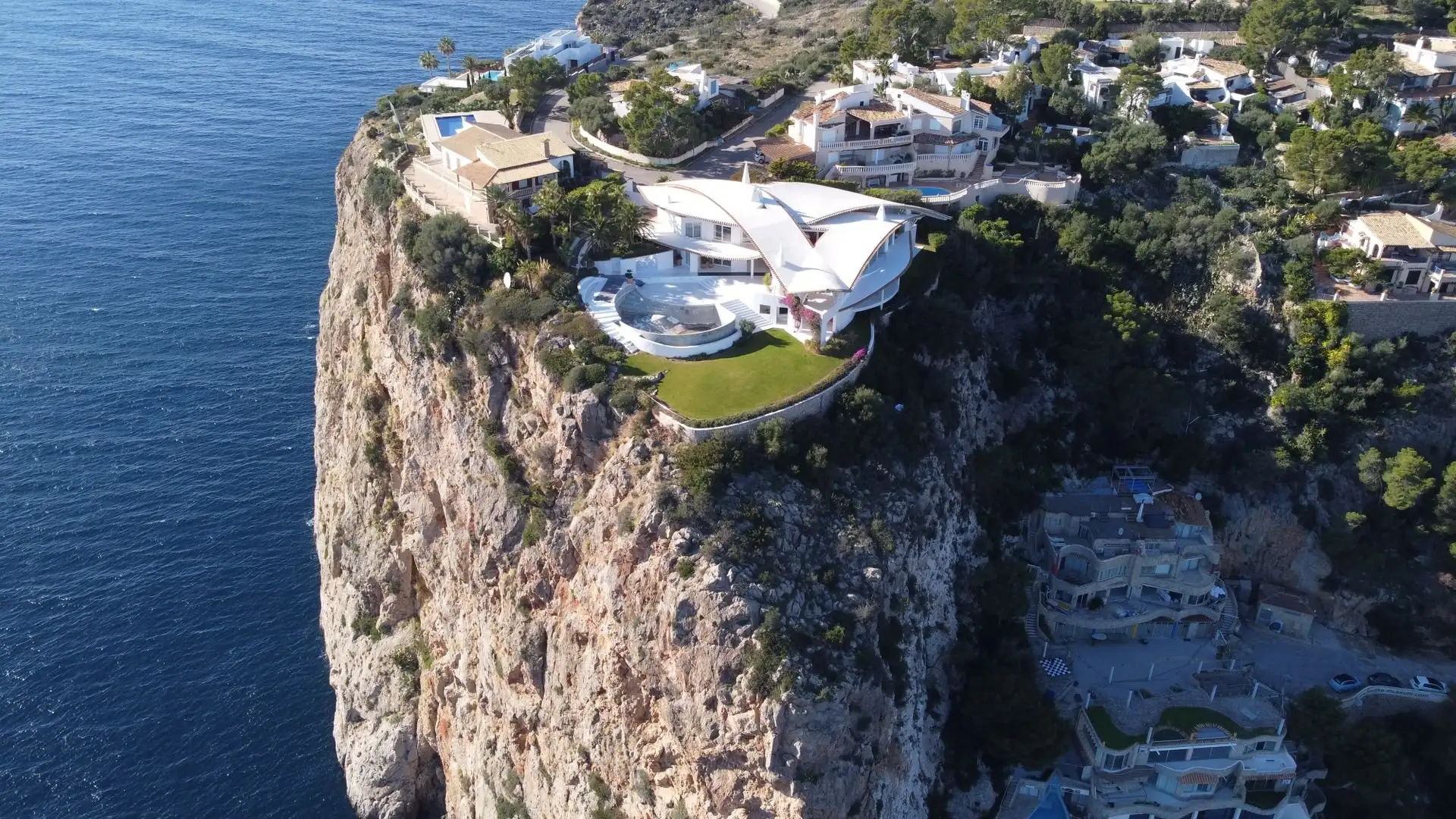
Freehold for all, with a Defence Ministry permit only in a few military zones. Transfer tax depends on the region. The Golden Visa for property closed on 3 April 2025, and the proposed 100% tax on non-EU buyers lapsed when parliament was dissolved.
The Spain buying guide →Open-market homes are open to anyone, mostly on long leases. There is no capital gains tax, VAT on property, wealth tax or inheritance tax, and a Gibraltar home underpins the Category 2 tax status.
The Gibraltar buying guide →Freehold for all nationalities, with no permit. Buying costs on a resale run to about 7.5–8.5% of the price, and real estate above €1.3 million is liable to the IFI wealth tax. There is no residence through property.
The France buying guide →Anyone may buy. Registration duty is 4.75% for individuals, and a home in Monaco, bought or rented, is the core of a residence application. Americans remain taxable in the United States.
The Monaco buying guide →Americans buy on the same terms as Italians, thanks to reciprocity. Resales from private sellers pay 9% on the cadastral value, usually far below the price. Property does not lead to residence; the flat tax for new residents is €300,000 a year.
The Italy buying guide →Non-EU buyers need an AIP permit, except in Special Designated Areas such as Tigné Point and Portomaso. Stamp duty is 5%. The Permanent Residence Programme is open to buyers and tenants.
The Malta buying guide →Americans buy freely, as OECD citizens, with no reciprocity decision. The 2% transfer tax is usually paid by the seller. There is no golden visa.
The Slovenia buying guide →Americans need the Justice Ministry's consent, and reciprocity depends on their home state. The transfer tax is 3%, and an annual property tax applies since 2025.
The Croatia buying guide →Foreigners may buy where their country grants reciprocity; the United States is listed. Taxes differ between the Federation and Republika Srpska.
The Bosnia and Herzegovina buying guide →Freehold for foreigners, outside agricultural land, forests, islands and the border strip. The transfer tax is banded from 3% to 6%, and property of €150,000 or more can support a residence permit.
The Montenegro buying guide →Apartments and villas are open to foreigners, with no transfer tax for the buyer on a resale. Title checks matter more here than anywhere else in the region.
The Albania buying guide →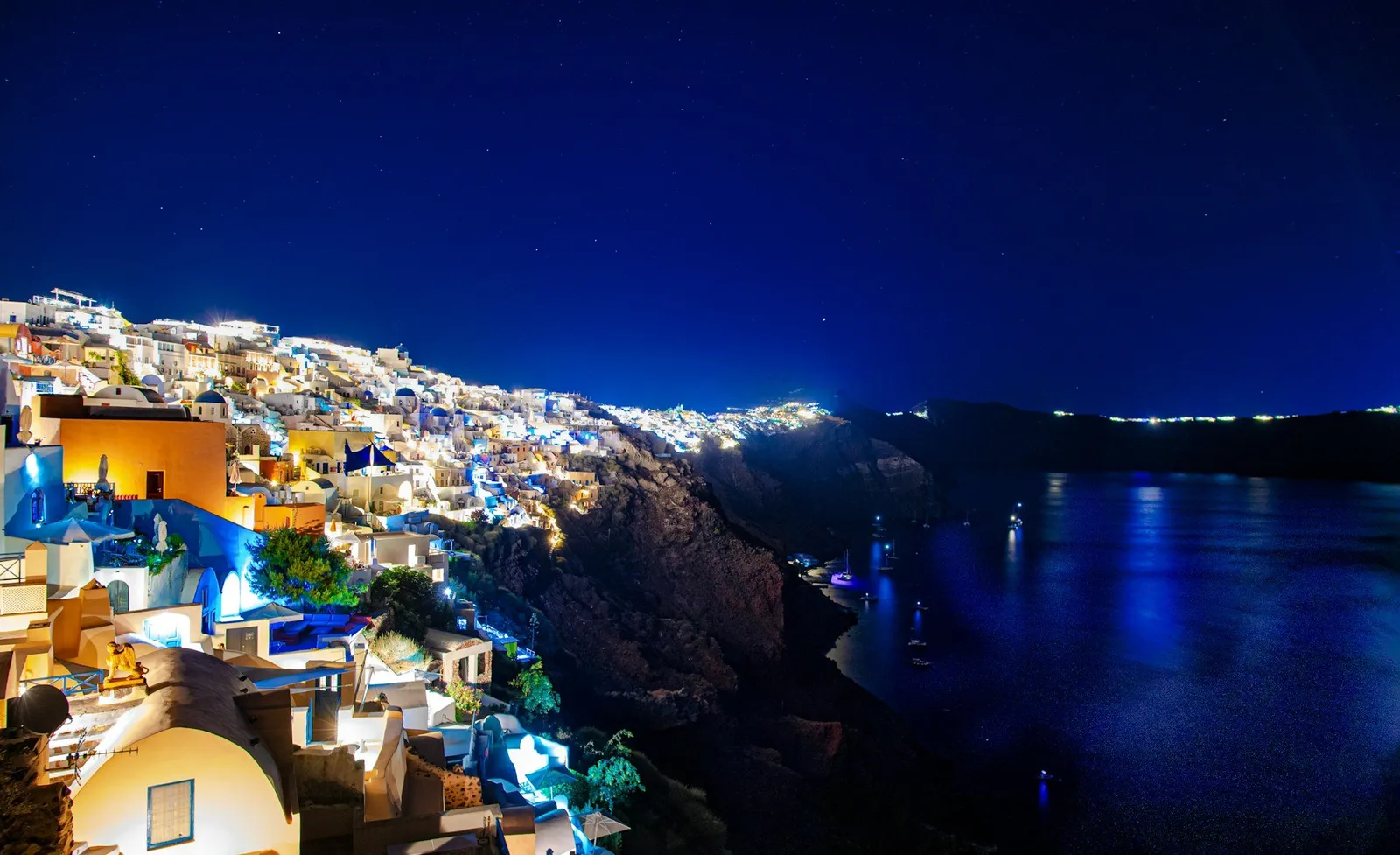
Freehold for all, with a permit in border areas such as Santorini. The Golden Visa remains open from €250,000 to €800,000, and a 15% transfer tax for non-EU buyers has been announced but is not yet law.
The Greece buying guide →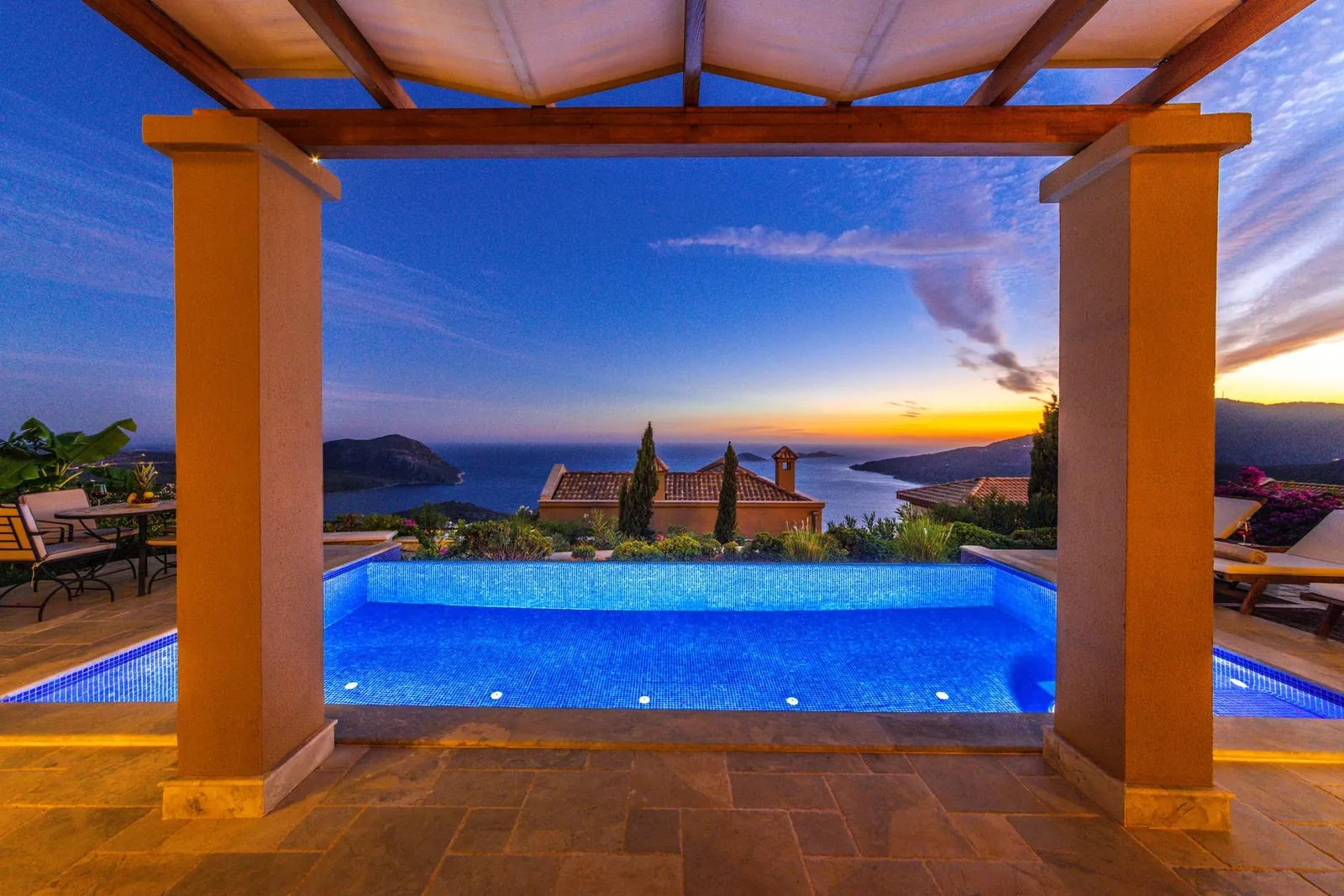
Freehold for Americans, Britons and Europeans. Property of US$400,000 held for three years leads to citizenship, and from 1 December 2026 payments go through a state escrow.
The Türkiye buying guide →Non-EU buyers need a permit, usually for one home. A new home of €300,000 plus VAT can lead to permanent residence, and there is no annual property tax.
The Cyprus buying guide →Foreigners may buy one home on state land with routine approval. Non-residents pay purchase tax of 8% and 10%, and banks lend them no more than 50%.
The Israel buying guide →Foreigners may own up to two homes, paying in foreign currency. Property of US$300,000 or more can lead to citizenship, and buyer costs are low.
The Egypt buying guide →A foreign buyer needs the governor's authorisation, which takes months, and must pay with imported foreign currency to take the money out later.
The Tunisia buying guide →Legally possible with the wali's authorisation, but slow and uncertain, and the dinar is non-convertible. In practice a market for Algerians and dual nationals.
The Algeria buying guide →Foreigners buy urban homes freehold, with no permit. Buy titled property, and bring funds in through a bank to keep the right to repatriate.
The Morocco buying guide →Questions
Yes, in all twenty countries and territories we cover, though the rules differ. Most allow freehold without a permit; Malta, Croatia, Cyprus, Tunisia and Algeria require one for non-EU buyers, and Greece in its border areas.
Greece (the Golden Visa), Cyprus (permanent residence from €300,000 plus VAT), Malta (the Permanent Residence Programme), Türkiye (a residence permit from US$200,000 and citizenship from US$400,000), Montenegro (a one-year permit from €150,000) and Egypt (citizenship from US$300,000).
In Croatia (Justice Ministry consent), Cyprus, Malta outside Special Designated Areas, Greece in border areas such as Santorini, Tunisia and Algeria. In Israel, a foreigner buying one home on state land needs routine approval.
Treaties help mainly with credits and withholding. US citizens are taxed on worldwide income wherever they live, so take advice from a US tax adviser who knows the country before you buy.
Checked and sourced
Checked 31 October 2026. Rules and rates change; confirm with a qualified lawyer and tax adviser before you buy. TheMediterranean.com is not a real estate broker, agent or finder, and nothing here is legal, tax or immigration advice.
Rules for foreign buyers change, and some depend on your nationality. This page is a summary to start your research. Lawyers and lenders who serve foreign buyers can be listed on this page. To advertise, write to [email protected].
The Mediterranean Season Letter
Four letters a year, one for each season: the Mediterranean from spring to autumn, and Beyond the Mediterranean, into the Alps, in winter. The one best hotel to book, and the events worth crossing a sea for.
We use Google Analytics cookies to see how visitors use the site. Accept them, or decline and the site works just the same. Privacy