Home›Live›Moving to the Mediterranean
Moving to the Mediterranean
A relocation guide for Americans: the right to stay, tax, a home, schools, healthcare and banking, in order. Checked 31 October 2026.

Try "Saint-Tropez", "Positano", "truffle" or "Cyprus".
Home›Live›Moving to the Mediterranean
A relocation guide for Americans: the right to stay, tax, a home, schools, healthcare and banking, in order. Checked 31 October 2026.
Relocation
Moving to the Mediterranean is a sequence: the right to stay, a home, a tax position that works on both sides of the Atlantic, then schools, doctors and a bank. This guide sets out the order and points to our detailed lists for each step.
Checked 31 October 2026. It is a general guide, not legal, tax or immigration advice; confirm each step with the consulate and with qualified advisers.
Step one

As a visitor, an American may spend up to 90 days in any 180 across the whole Schengen area combined, which covers Portugal, Spain, France, Italy, Malta, Slovenia, Croatia and Greece. Monaco applies the same rule in practice. Cyprus, Montenegro, Albania, Türkiye, Israel, Egypt, Tunisia and Morocco each count days separately.
The EU Entry/Exit System has recorded every entry and exit at Schengen borders since 10 April 2026. ETIAS, the EU travel authorisation, is not yet in operation and is expected in 2027.
To stay longer you need a national long-stay visa or residence permit, applied for in the United States before you go: for example the non-lucrative visa in Spain, the D7 in Portugal, the elective residence visa in Italy or a long-stay visitor visa in France.
Step two
The United States taxes its citizens on worldwide income wherever they live, so every move is a two-country tax question. Some countries offer special regimes to new residents, such as Italy's €300,000 flat tax or Greece's €100,000 non-dom regime, but they depend on timing and on years of prior non-residence. Take advice before you arrive, not after.
Step three
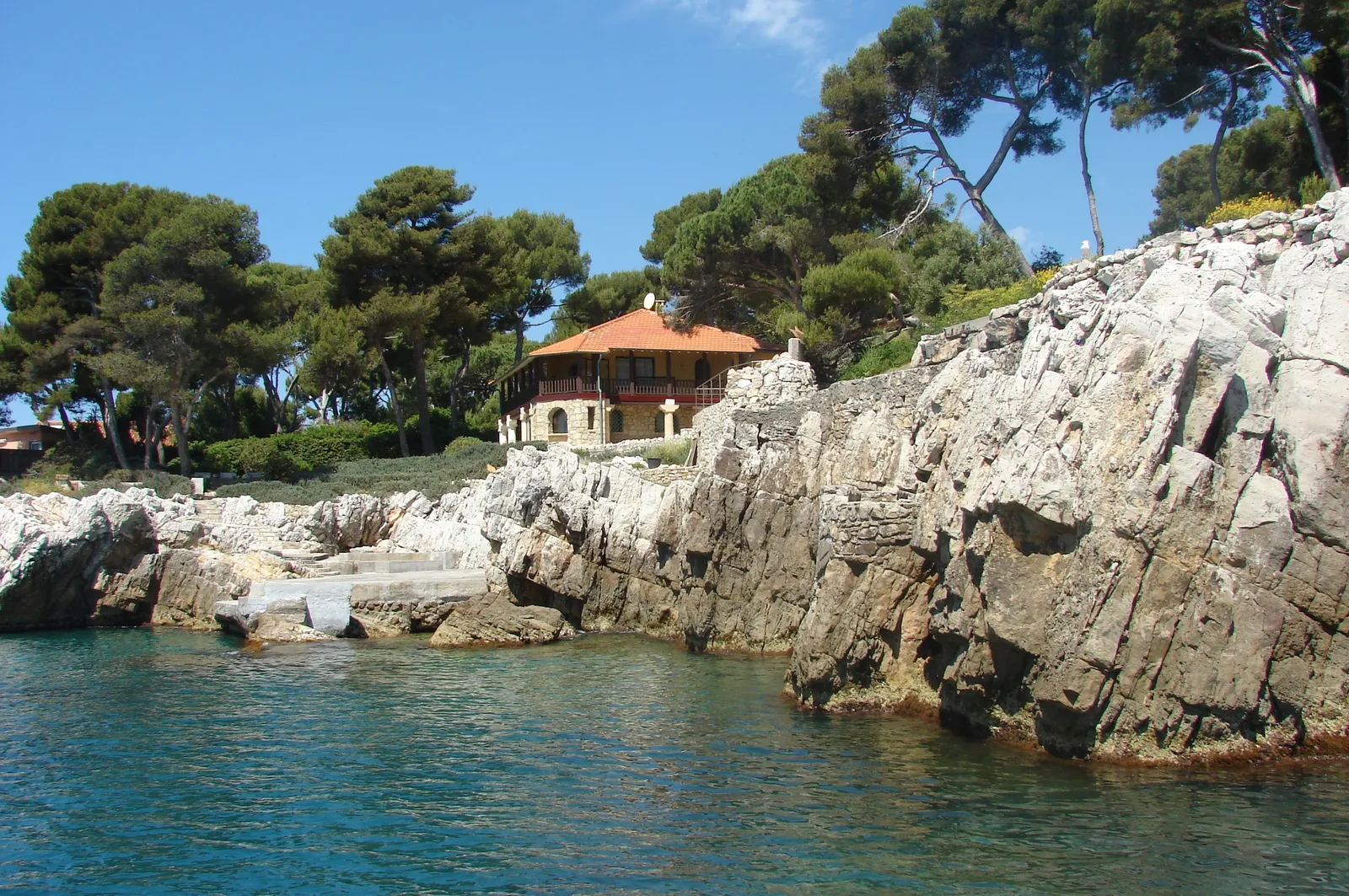
Most Mediterranean countries let Americans buy freely; a few, such as Croatia, Malta outside its Special Designated Areas, Egypt and Tunisia, apply permits or limits. Many families rent for a season before buying.
Step four
International schools teaching the International Baccalaureate, American or British curricula are found in every major centre, from Lisbon, Cascais and Marbella to Monaco, Milan, Rome, Athens and Limassol. Good schools fill early: apply a year ahead where you can.
Step five
Long-stay visas usually require private health insurance, and Medicare does not cover care abroad. Most families combine an international health policy with a private hospital or clinic near home.
Step six
A local account is needed to buy property, pay bills and, in Monaco, to show proof of means. Because of US reporting rules, some European banks are reluctant to open accounts for Americans; a private bank used to American clients is usually the simpler route. Remember the FBAR and Form 8938 reports for foreign accounts.
The Mediterranean Season Letter
Four letters a year, one for each season: the Mediterranean from spring to autumn, and Beyond the Mediterranean, into the Alps, in winter. The one best hotel to book, and the events worth crossing a sea for.
We use Google Analytics cookies to see how visitors use the site. Accept them, or decline and the site works just the same. Privacy