A table set by a marina
TheMediterranean.com The Luxury Gateway
DestinationsStayResortsSailCruisesFlyTrainsLiveLuxury Real EstateShopDineExperiencePlan a Trip

Home›Customs and Etiquette

Customs and Etiquette

Language, greetings, dress, dining, tipping and useful phrases, country by country across the Mediterranean.

Last checked October 2026.
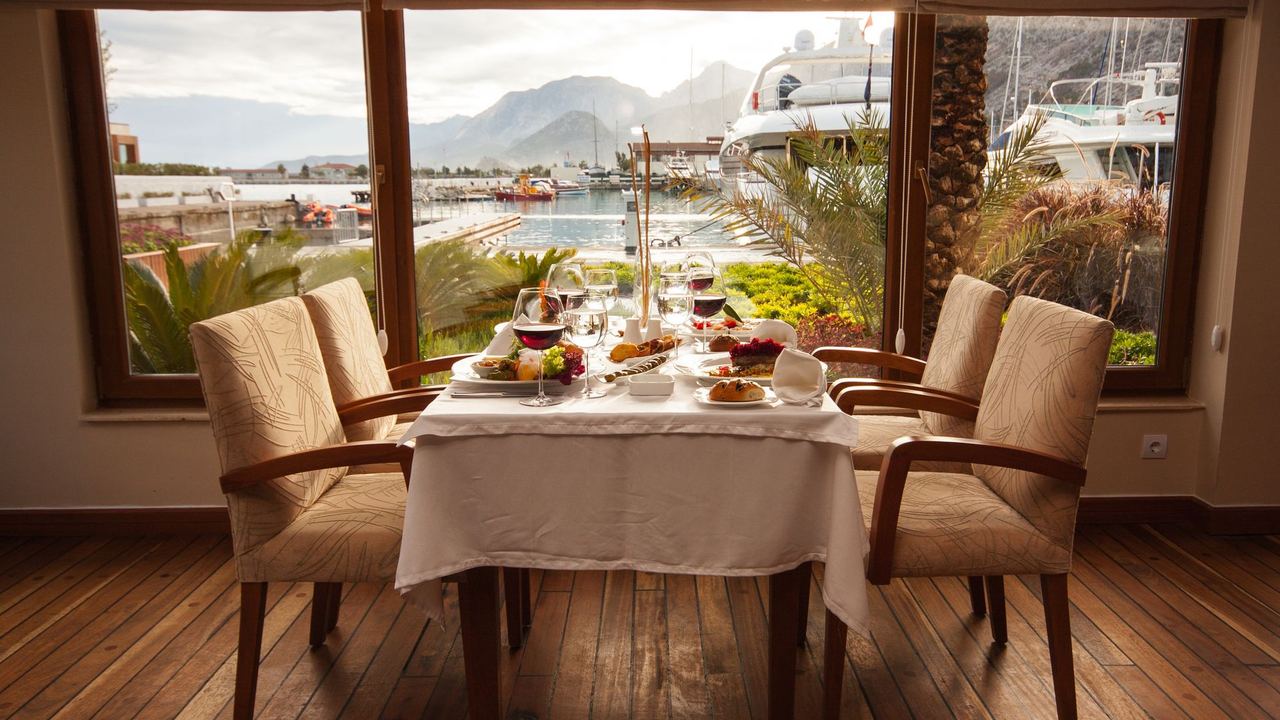
A table set by a marinaPhotograph: Pexels

Tipping at a glance. Luxury hotels: porters €2–5 a bag, housekeeping €5–10 a day, and €10–20 for a concierge who goes out of their way; outside the euro, the equivalent in local currency. Yacht crew: 5–15% of the charter fee, given to the captain, who shares it among the crew; Mediterranean charters usually sit at the lower end.

Arriving in Europe. Travellers from outside the EU are registered with fingerprints and a photograph at their first Schengen border, in place of a passport stamp; allow a little longer on a first arrival. The ETIAS travel authorisation has not yet begun, so beware of websites offering it.

Portugal

Language
Portuguese. English is widely spoken in luxury hotels and leading restaurants in Lisbon, Porto, the Algarve and Madeira. Speaking Spanish is best avoided: the languages are close, but it is not appreciated, and a few words of Portuguese go much further.
Greetings
A firm handshake with eye contact on first meeting; two cheek kisses, right cheek first, among friends and family. Use senhor / senhora until invited to be less formal, and greet by time of day: bom dia until noon, boa tarde in the afternoon, boa noite from early evening.
Dress
Dress respectfully in churches. Some resort towns, such as Albufeira in the Algarve, fine people for wearing swimwear in the streets away from the beach and pool. On yachts, soft-soled or bare feet on deck. Smart dress for fine dining.
Dining
Lunch typically 12–2 pm, some restaurants serving until 3 pm; dinner from about 8–9 pm, later at weekends. Book ahead for well-known restaurants. Bread, olives, butter or cheese brought to the table at the start (the couvert) are charged unless you send them back; the couvert is not a tip. Meals are unhurried.
Tipping
Service is usually included in menu prices, so a tip is a gesture: about 5–10%, and about 10% in fine dining. Small change in cafés; round up taxi fares. Luxury hotels: porters €2–5 a bag, housekeeping €5–10 a day, €10–20 for a concierge who goes out of their way.
Phrases
EnglishLocalSay it
HelloOláoh-LAH
PleasePor favorpoor fah-VOR
Thank youObrigado (said by a man) / Obrigada (said by a woman)oh-bree-GAH-doo / oh-bree-GAH-dah
Good eveningBoa noite (from early evening; boa tarde earlier)BOH-ah NOYT
The bill, pleaseA conta, por favorah KOHN-tah, poor fah-VOR
Good to know
Eat with a knife and fork, even fruit. To decline the couvert, a polite não, obrigado (or obrigada) is enough. If invited to a Portuguese home, bring a small gift such as wine or flowers.

Spain

Language
Spanish (Castilian) nationwide; Catalan, Valencian, Galician and Basque are co-official in their regions. English is widely spoken in luxury hotels and fine restaurants in the main resort and city areas.
Greetings
Two cheek kisses are usual between women, and between men and women, even on first social meetings; men usually shake hands. In business and with older people, a handshake and señor / señora are the safe start.
Dress
Shoulders and knees covered in churches and cathedrals. Several towns fine people for walking the streets in swimwear or shirtless away from the beach, including Barcelona (€120–€500), Málaga and Marbella (€300–€750) and Palma (€100–€200). On yachts, soft-soled or bare feet on deck. Smart dress for fine dining; jackets are rarely required.
Dining
Lunch is the main meal, rarely before 2 pm; dinner seldom starts before 9 pm, often 10 pm or later in Madrid. Book ahead for well-known restaurants. Meals are long and unhurried; the bill comes only when you ask.
Tipping
Not expected as in the US. In restaurants, 5–10% for good service. Round up taxi fares. Luxury hotels: porters €2–5 a bag, housekeeping €5–10 a day.
Phrases
EnglishLocalSay it
HelloHolaOH-lah
PleasePor favorpor fah-VOR
Thank youGraciasGRAH-thee-ahs (GRAH-see-ahs is also understood)
Good eveningBuenas noches (after dark; buenas tardes earlier)BWEH-nahs NOH-chehs
The bill, pleaseLa cuenta, por favorlah KWEN-tah, por fah-VOR
Good to know
Many smaller shops close for a long midday break (roughly 2–5 pm) and on Sundays; the evening paseo (stroll) around 8–9 pm is a fixture of town life.
Tourist tax
Hotels add a tourist tax per person per night: at a five-star hotel in Barcelona, €12 since spring 2026, with further rises planned; in Mallorca and Ibiza, up to €4 in summer.

Gibraltar

Language
English is the official language and is spoken everywhere; Spanish is widely understood. Among themselves, Gibraltarians often speak Llanito, a lively mix of Andalusian Spanish and English with words of Italian and Hebrew origin, moving between the two in the same sentence.
Greetings
A handshake with eye contact on first meeting; hugs and cheek kisses are kept for friends and family. A friendly "hello" or "good morning" in shops and cafés; a Spanish hola or buenos días is just as natural.
Dress
Cover shoulders and knees in churches, including the Cathedral of St Mary the Crowned, and in the synagogues and the mosque at Europa Point. Swimwear belongs on the beach and at the pool, not on Main Street or in shops. On yachts, soft-soled or bare feet on deck. Smart-casual for fine dining.
Dining
Lunch roughly 1–3.30 pm; dinner from about 7.30 pm, earlier than across the border in Spain. Book ahead at the best-known restaurants, above all on Friday afternoons and summer evenings.
Tipping
Check the bill first: many restaurants, especially in Ocean Village and Casemates, add a service charge, and then no further tip is expected. Otherwise about 10% for good table service is appreciated but not obligatory; tipping in bars and cafés is uncommon. Luxury hotels: porters about £2–4 a bag, housekeeping about £4–8 a day.
Phrases
English is all a visitor needs; these Spanish forms, heard constantly in Llanito, are a warm touch.
EnglishLocalSay it
HelloHolaOH-lah
PleasePor favorpor fah-VOR
Thank youGraciasGRAH-see-ahs
Good eveningBuenas noches (after dark; buenas tardes earlier)BWEH-nahs NOH-chehs
The bill, pleaseLa cuenta, por favorlah KWEN-tah, por fah-VOR
Good to know
The currency is the Gibraltar pound, at par with sterling; British notes are accepted everywhere, but Gibraltar notes are not accepted in the UK and are hard to change in Spain, so use them up before leaving. Euros are taken in most shops and restaurants, at a poor rate, with change given in pounds; cards are accepted almost everywhere. Unlike Britain, Gibraltar drives on the right; plugs are the British three-pin type. Feeding the Barbary macaques of the Upper Rock is an offence, with fines of up to £4,000; keep food out of sight near them. Most Main Street shops close on Sundays and public holidays. Sovereignty is a sensitive subject: leave it to Gibraltarians to raise.

France

Language
French. English is widely spoken in luxury hotels and leading restaurants on the Riviera and in Paris.
Greetings
A handshake on first meeting. Among friends, la bise (cheek kisses); the number varies by region, two being most common. Always say bonjour (or bonsoir in the evening) on entering a shop or speaking to staff; use monsieur / madame.
Dress
Dress respectfully in churches. On the Riviera, several towns, including Nice, Cannes, Menton, Saint-Tropez, Sainte-Maxime and Saint-Raphaël, ban swimwear and bare chests in town, with fines. On yachts, soft-soled or bare feet on deck. Smart, polished dress for fine dining.
Dining
Lunch typically 12–2 pm; dinner from about 7.30–8 pm. Book ahead at good restaurants. The bill comes when you ask.
Tipping
Service is included in menu prices by law (service compris), so a tip is a gesture: about 5% (€1 per €20), and 5–10% for exceptional service at high-end restaurants. Round up taxis. Luxury hotels: porters €2–5 a bag, housekeeping €5–10 a day, €10–20 for a concierge who goes out of their way.
Phrases
EnglishLocalSay it
HelloBonjourbohn-ZHOOR
PleaseS'il vous plaîtseel voo PLAY
Thank youMercimair-SEE
Good eveningBonsoirbohn-SWAHR
The bill, pleaseL'addition, s'il vous plaîtlah-dee-SYOHN, seel voo PLAY
Good to know
Many shops close on Sundays, and in smaller towns for a long lunch. Restaurants often stop serving lunch around 2 pm.

Monaco

Language
French is the official language; Monégasque is the traditional language, and Italian is common. English is widely spoken in hotels, restaurants and at the casino.
Greetings
As in France: a handshake on first meeting, bonjour / bonsoir with monsieur / madame; cheek kisses among friends.
Dress
Monaco expects polished dress in town, and walking around in swimwear, shirtless or barefoot anywhere other than beaches and bathing areas can bring a fine. Shoulders and knees covered in the cathedral and churches. On yachts, soft-soled or bare feet on deck. Smart dress for fine dining. The Casino de Monte-Carlo has a dress code: in the evening, no shorts, T-shirts, short-sleeved shirts or sweatshirts; by day, no beachwear, flip-flops, sandals, tank tops or ripped jeans.
Dining
As in France: lunch about 12–2 pm, dinner from about 8 pm. Book well ahead, especially during the Grand Prix, the Yacht Show and summer.
Tipping
As in France: service is generally included, and 5–10% extra for good service is appreciated. Round up for drivers. Luxury hotels: porters €2–5 a bag, housekeeping €5–10 a day, €10–20 for a concierge who goes out of their way.
Phrases
EnglishLocalSay it
HelloBonjourbohn-ZHOOR
PleaseS'il vous plaîtseel voo PLAY
Thank youMercimair-SEE
Good eveningBonsoirbohn-SWAHR
The bill, pleaseL'addition, s'il vous plaîtlah-dee-SYOHN, seel voo PLAY
Good to know
The Casino de Monte-Carlo admits over-18s only and requires photo ID (a passport or national identity card; a driving licence is not accepted). There is an entrance fee.

Italy

Language
Italian. English is widely spoken in luxury hotels and leading restaurants in Rome, Florence, Venice, Milan and the main coastal resorts; less so in the countryside.
Greetings
A handshake on first meeting; cheek kisses among friends and family. Titles matter: dottore / dottoressa for anyone with a university degree, signore / signora otherwise.
Dress
Shoulders and knees covered in churches; carry a light scarf or layer. Some resort towns fine people for wearing swimwear or going bare-chested in town centres; check locally. On yachts, soft-soled or bare feet on deck. Elegant, well-cut dress for fine dining.
Dining
Lunch about 1–3 pm; dinner from about 8 pm, often 9.30 pm or later in the big cities and in summer. Book ahead for good restaurants. A per-person cover charge (coperto) for bread and table setting is normal and is not a tip. Ask for the bill; it will not arrive until you do.
Tipping
Not obligatory; a service charge (servizio) may already be on the bill. Leaving a few euros, or up to about 10% for excellent service, is appreciated. Taxis: rounding up is enough. Luxury hotels: porters €2–5 a bag, housekeeping €5–10 a day, €10–20 for a helpful concierge.
Phrases
EnglishLocalSay it
HelloBuongiornobwohn-JOR-noh
PleasePer favorepehr fah-VOH-reh
Thank youGrazieGRAHT-see-eh
Good eveningBuonaserabwoh-nah-SEH-rah
The bill, pleaseIl conto, per favoreeel KOHN-toh, pehr fah-VOH-reh
Good to know
Smaller shops often close for a midday break and on Sunday. Many towns fine people for sitting on monument steps or eating and drinking beside major churches and monuments; entering or bathing in public fountains is an offence in many cities, including Rome and Florence, and swimming in Venice's canals is banned. Taking sand, shells or pebbles from the coast is illegal, and Capri bans disposable plastics.
Tourist tax
Venice charges day visitors an access fee on set days from April to July, from €5 booked in advance; guests staying overnight in the city are exempt but must register online.

Malta

Language
Maltese and English are both official. English is spoken almost everywhere.
Greetings
A handshake on first meeting, with eye contact; cheek kisses among friends and family, but wait for locals to start them. Sur (Mr) and Sinjura (Mrs) are used formally, but English courtesies are normal.
Dress
Malta is strongly Catholic and fairly conservative: shoulders and knees covered in churches, including St John's Co-Cathedral in Valletta; remove hats and sunglasses on entering, and carry a shawl or sarong. Keep swimwear for the beach and lido. On yachts, soft-soled or bare feet on deck. Smart-casual for fine dining.
Dining
Dinner is typically late, after about 8.30 pm, and meals are relaxed and unhurried. Book ahead in Valletta and on summer weekends.
Tipping
Around 5–10% in restaurants for good service, if service is not already included; round up for taxis and cafés. Luxury hotels: porters €2–5 a bag, housekeeping €5–10 a day.
Phrases
EnglishLocalSay it
HelloBonġuBON-joo
PleaseJekk jogħġbokyek YOJ-bok
Thank youGrazziGRAHT-see
Good eveningIl-lejla t-tajba (or Bonswa)il-LAY-lah t-TIE-bah (bon-SWAH)
The bill, pleaseIl-kont, jekk jogħġbokil-KONT, yek YOJ-bok
Good to know
Malta drives on the left. Summer village festi (patron-saint feasts) bring processions, fireworks and road closures. Bird hunting takes place in spring and autumn, so take care in rural areas in those seasons.

Slovenia

Language
Slovene (Slovenian); Italian and Hungarian are co-official in their border areas. English is widely spoken, especially by younger people and in hotels and restaurants.
Greetings
A firm handshake with eye contact; use titles and surnames until invited to first names. Cheek kisses are for friends. Punctuality matters.
Dress
Modest dress in churches, with shoulders and knees covered. On yachts, soft-soled or bare feet on deck. Smart-casual is fine in most restaurants.
Dining
Lunch is often the main meal, around 12–2 pm; dinner from about 7 pm. Book ahead for the top restaurants.
Tipping
Not obligatory but appreciated: in restaurants, round up or leave about 5–10% for good service. In taxis, cafés and bars, round up to the nearest euro. Luxury hotels: porters €2–5 a bag, housekeeping €5–10 a day.
Phrases
EnglishLocalSay it
Hello (good day)Dober danDOH-ber dahn
PleaseProsimPROH-seem
Thank youHvalaHVAH-lah
Good eveningDober večerDOH-ber VEH-cher
The bill, pleaseRačun, prosimRAH-choon, PROH-seem
Good to know
Slovenia's coast is short (Piran, Portorož, Izola). The toast is Na zdravje! Slovenians care deeply about nature: stay on marked trails and never litter.

Croatia

Language
Croatian. English is widely spoken in hotels, restaurants and marinas along the coast; German and Italian are common too.
Greetings
A handshake in formal settings; cheek kisses among friends and family. Dobar dan (good day) is the polite opener; use surnames and titles until invited otherwise.
Dress
Shoulders and knees covered in churches, cathedrals and monasteries. Town centres including Split and Dubrovnik issue on-the-spot fines for walking around shirtless or in swimwear. On yachts, soft-soled or bare feet on deck. Smart-casual for fine dining.
Dining
Lunch is traditionally the main meal; dinner is usually served well after 8 pm, later in summer. Meals are unhurried. Book ahead in Dubrovnik, Hvar and Split in high season.
Tipping
Voluntary but appreciated: around 10% in restaurants for good service, 10–15% at upscale places in the big cities; round up for taxis. Luxury hotels: porters €2–5 a bag, housekeeping €5–10 a day.
Phrases
EnglishLocalSay it
Hello (good day)Dobar danDOH-bar dahn
PleaseMolimMOH-leem
Thank youHvalaHVAH-lah
Good eveningDobra večerDOH-brah VEH-cher
The bill, pleaseRačun, molimRAH-choon, MOH-leem
Good to know
Croatia uses the euro (since 2023). By law, shops may open on only 16 Sundays a year, so most are closed on Sundays. Climbing on monuments and drinking alcohol in public spaces also bring on-the-spot fines in many towns.

Bosnia and Herzegovina

Language
Bosnian, Croatian and Serbian are all official; both the Latin and Cyrillic alphabets are used. English is widely spoken in the better hotels and restaurants in Sarajevo and Mostar, and by younger people generally.
Greetings
A firm handshake with eye contact is standard on meeting. Friends and family often greet with cheek kisses. Use surnames with gospodin (Mr) or gospođa (Mrs) until invited to use first names.
Dress
The country is home to Muslim, Orthodox and Catholic communities, and churches and mosques sit side by side. Dress conservatively at all of them, with shoulders and knees covered. Women should bring a scarf to cover their hair in mosques, and everyone removes their shoes before going in. Smart-casual is right for fine dining.
Dining
Lunch is often the main meal of the day, and dinner starts from about 7–8 pm. Booking ahead is wise at the best tables in Sarajevo. Bosnian coffee, served in a copper džezva and drunk slowly, is a social ritual worth taking time over.
Tipping
Tipping is common but not mandatory. If no service charge is included, around 10% is a good guide in restaurants and for tour guides. Taxi and private drivers do not expect a tip, but rounding up is usual. Luxury hotels: porters the equivalent of €2–5 a bag, housekeeping €5–10 a day, in convertible marks (KM); euros are not widely accepted.
Phrases
EnglishLocalSay it
HelloZdravoZDRAH-voh
PleaseMolimMOH-leem
Thank youHvalaHVAH-lah
Good eveningDobro večeDOH-broh VEH-cheh
The bill, pleaseRačun, molimRAH-choon, MOH-leem
Good to know
The 1990s war is still within living memory. Let your hosts raise it first if they wish to. Many Bosniaks observe Ramadan, but restaurants in Sarajevo stay open throughout.

Montenegro

Language
Montenegrin is the official language. Serbian, Bosnian, Albanian and Croatian are also in official use, and both Latin and Cyrillic scripts appear. English is widely spoken in luxury hotels, marinas and restaurants along the coast, especially at Porto Montenegro and around Kotor and Budva.
Greetings
A handshake is standard. Friends often greet with cheek kisses. People are warm but appreciate formality at first meetings.
Dress
Orthodox monasteries such as Ostrog expect modest dress. Cover your shoulders and knees, and women should carry a light headscarf. Away from the beach, wear clothes over your swimwear. Budva fines people €200 for walking in its Old Town in swimwear or bare-chested. The universal yacht rule applies: no hard-soled shoes on deck. Evenings are dressier than the daytime beach scene, and smart outfits are expected at the better bars and restaurants.
Dining
Long, late summer dinners are the norm on the coast, from about 8 pm. Reserve ahead in July and August.
Tipping
Around 10% is customary in restaurants when service is good. Rounding up is usual for drivers. Luxury hotels: porters €2–5 a bag, housekeeping €5–10 a day. The currency is the euro.
Phrases
EnglishLocalSay it
HelloZdravoZDRAH-voh
PleaseMolimMOH-leem
Thank youHvalaHVAH-lah
Good eveningDobro večeDOH-broh VEH-cheh
The bill, pleaseRačun, molimRAH-choon, MOH-leem
Good to know
Ostrog Monastery is one of the most important Orthodox pilgrimage sites in the region. Visit quietly and dress modestly, and ask before photographing worshippers.

Albania

Language
Albanian (shqip) is the official language. English is spoken in upscale hotels and restaurants in Tirana and on the Riviera, and Italian is widely understood.
Greetings
A handshake is the norm on meeting. Friends and family often greet with cheek kisses. Albanians go out of their way to welcome foreign guests, so accept coffee or a small drink when it is offered.
Dress
Mosques and churches expect shoulders and knees covered. Women should bring a scarf for mosques, and shoes come off at the door. The coast is relaxed, but cover up away from the beach. No hard-soled shoes on yacht decks. Smart-casual suits fine dining.
Dining
Lunch is typically early-to-mid afternoon. Dinner starts late in summer, often after 8 pm. Seafood on the Riviera and slow-cooked mountain dishes inland are highlights.
Tipping
Not obligatory. In restaurants, rounding up to the nearest lek note is usual, and about 10% is the norm on bigger bills. Rounding up is usual for drivers. Luxury hotels: porters the equivalent of €2–5 a bag, housekeeping €5–10 a day, in lek or euros, which are often accepted in tourist areas.
Phrases
EnglishLocalSay it
HelloPërshëndetjepuhr-shun-DET-yeh
PleaseJu lutemyoo LOO-tem
Thank youFaleminderitfah-leh-meen-DEH-reet
Good eveningMirëmbrëmameer-um-BRUH-mah
The bill, pleaseLlogarinë, ju lutemloh-gah-REE-nuh, yoo LOO-tem
Good to know
Albanian head gestures run opposite to most of Europe: a shake (more of a wobble) of the head means "yes", and a nod (more of a tilt) means "no". When in doubt, confirm in words.

Greece

Language
Greek is the official language. English is widely spoken in hotels, restaurants and anywhere that serves visitors.
Greetings
A firm handshake with eye contact on first meeting is usual. Friends typically greet with a hug or two cheek kisses. Address people as Kyrie (Mr) or Kyria (Mrs/Ms) with their surname until invited otherwise.
Dress
Dress modestly at churches and monasteries: women cover their shoulders and knees, and men wear long trousers and sleeved tops. At the great monasteries, such as Meteora, wraps are provided at the entrance and men in shorts are turned away. No hard-soled shoes on yacht decks. Fine dining is smart-casual, and Athens and Mykonos can be dressier.
Dining
Greeks eat late. Lunch is usually taken by about 3 pm, and dinner rarely starts before 9 pm, often 10 pm or later in summer. Reservations are essential at the top restaurants in Athens and on the islands in high season. Sharing plates is the custom.
Tipping
Service is generally included in the price, but leaving 5–10% for good service is customary. Round up taxi fares, or add 5–10% for longer journeys. Luxury hotels: porters €2–5 a bag, housekeeping €5–10 a day.
Phrases
EnglishLocalSay it
HelloΓεια σαςYAH-sas
PleaseΠαρακαλώpa-ra-ka-LO
Thank youΕυχαριστώef-ha-ri-STO
Good eveningΚαλησπέραka-li-SPE-ra
The bill, pleaseΤον λογαριασμό, παρακαλώton lo-ghar-yaz-MO, pa-ra-ka-LO
Good to know
Avoid the open-palm "stop" gesture towards someone, because in Greece it is an insult (the moutza). It is illegal to approach, photograph or film military installations, vehicles or buildings, and offenders can be arrested; take the same care in border areas.
Tourist tax
Hotels add a climate resilience fee per room per night, €15 at five-star hotels from April to October; cruise passengers landing on Santorini or Mykonos pay €20 a visit in summer.

Türkiye

Language
Turkish is the official language. English is widely spoken in luxury hotels, restaurants and resorts in Istanbul, Bodrum and along the Turquoise Coast.
Greetings
A handshake is standard. Friends often exchange two cheek kisses. Respect for elders is important. First names are commonly followed by Bey (for men) or Hanım (for women), for example "Ahmet Bey".
Dress
In mosques, everyone removes their shoes. Women cover their hair, both sexes cover their shoulders and upper arms, and shorts and short skirts are out. Scarves are usually available at major mosques. Avoid visiting during the noon prayers, especially on a Friday. No hard-soled shoes on gulets or yachts. Istanbul's fine-dining scene is stylish and smart.
Dining
Lunch is around 12–2 pm, and dinner from about 7.30–9 pm, later in summer resorts. Book the best Bosphorus and Bodrum tables well ahead. Tea is offered constantly and is a gesture of hospitality.
Tipping
Around 10–15% is customary in restaurants if service isn't included. Rounding up is usual for taxis; at the hammam, tips beyond the listed fees are expected only in the most touristed places. Luxury hotels: porters the equivalent of €2–5 a bag, housekeeping €5–10 a day, in Turkish lira.
Phrases
EnglishLocalSay it
HelloMerhabaMEHR-ha-bah
PleaseLütfenLUET-fen
Thank youTeşekkür ederimteh-shek-KUER eh-deh-reem
Good eveningİyi akşamlaree-YEE ahk-shahm-LAHR
The bill, pleaseHesap, lütfenheh-SAHP, LUET-fen
Good to know
Insulting the Turkish nation, the flag, the President or Atatürk is a criminal offence carrying six months to three years in prison, and it covers online comments too. Do not photograph military or official installations, ask before photographing people, and carry photo ID. During Ramadan, whose dates move about 11 days earlier each year, avoid eating, drinking, smoking or chewing gum in public in daytime, especially in conservative areas.

Cyprus

Language
Greek and Turkish are the official languages. English is very widely spoken throughout, a legacy of British rule.
Greetings
A firm handshake with eye contact is standard. Friends often greet with a kiss on both cheeks. Hospitality is generous: guests are often offered coffee, sweets or fruit, and accepting, even briefly, is polite.
Dress
Orthodox churches and monasteries expect covered shoulders and knees; some monasteries lend wraps at the entrance. Mosques also require headscarves for women and shoes off. Avoid beachwear away from the coast. No hard-soled shoes on yacht decks. Smart-casual suits the better restaurants.
Dining
Meals are long and unhurried; lingering is part of the culture, not a sign of slow service. Meze, a long sequence of small dishes, is the classic way to eat, so arrive hungry. Reserve ahead at popular Limassol and Paphos spots.
Tipping
Many restaurants add a service charge. If not, rounding up or leaving 5–10% is appreciated for good service; in cafés and bars, a euro or two is enough. Rounding up is usual for drivers. Luxury hotels: porters €2–5 a bag, housekeeping €5–10 a day.
Phrases
EnglishLocalSay it
HelloΓεια σαςYAH-sas
PleaseΠαρακαλώpa-ra-ka-LO
Thank youΕυχαριστώef-ha-ri-STO
Good eveningΚαλησπέραka-li-SPE-ra
The bill, pleaseΤον λογαριασμό, παρακαλώton lo-ghar-yaz-MO, pa-ra-ka-LO
Good to know
The island has been divided since 1974, with a UN-patrolled buffer zone. Do not photograph military buildings, sensitive areas or the buffer zone (you could be arrested), and approach the subject with tact in conversation. Traffic drives on the left.

Syria

Language
Arabic is the official language, spoken day to day as Syrian Arabic. Kurdish, Armenian, Syriac and Aramaic are among the languages of Syria's other communities. English is used by younger, urban professionals.
Greetings
As-salamu alaykum (peace be upon you) is answered with wa alaykum as-salam. Shake hands with the right hand, and use it to give and receive things. A man should wait to see whether a woman offers her hand first. Use titles (Mr, Mrs, Dr) and family names until invited otherwise, and show respect to elders; generous, repeated greetings are part of the culture.
Phrases
EnglishLocalSay it
HelloمرحباMAR-ha-ba
Pleaseمن فضلكmin FAD-lak (to a woman: min FAD-lik)
Thank youشكراًSHUK-ran
Good eveningمساء الخيرma-SAA el-KHEYR
Nice to meet youتشرفناtshar-RAF-na
Culture
Syria is home to Damascus and Aleppo, two of the world's oldest continuously inhabited cities, and to a celebrated tradition of hospitality, Levantine cuisine and craftsmanship.

Lebanon

Language
Arabic is the official language; everyday speech is Lebanese Arabic. French and English are both widely used in business, and many Lebanese move easily between all three, often within one sentence.
Greetings
A handshake with eye contact is the norm on first meeting. Close friends often greet with three alternating cheek kisses. With someone of the opposite sex, wait to see whether a hand is offered. Use professional or academic titles where given.
Phrases
EnglishLocalSay it
HelloمرحباMAR-ha-ba
Pleaseإذا بتريدiza bit-REED (to a woman: iza bit-REE-dee)
Thank youشكراًSHUK-ran (merci is also very common)
Good eveningمسا الخيرMA-sa el-KHEYR
Nice to meet youتشرفناtshar-RAF-na
Culture
A small country with a long reach: Phoenician ports such as Byblos and Tyre, the Roman temples of Baalbek, a mosaic of religious communities, and one of the most celebrated cuisines of the Mediterranean.

Israel

Language
Hebrew is the official language, and Arabic has a recognised special status. English is widely spoken, particularly in hotels, restaurants and anywhere visitors gather; Russian and French are also commonly heard.
Greetings
A handshake is usual, and Israeli manners are famously direct and informal; first names are used quickly. In Orthodox Jewish and some Muslim settings, a man and a woman may not shake hands, so let the other person lead.
Dress
At synagogues, most churches and all mosques, cover shoulders and knees; entry is normally refused with bare legs, and women may be offered a wrap. Men cover their heads at the Western Wall and in synagogues (paper kippot are usually provided). In ultra-Orthodox neighbourhoods, wear long sleeves and long trousers or skirts. On yachts, no hard-soled shoes on deck. Fine dining is generally smart-casual; jackets are rarely required.
Dining
Restaurants usually serve lunch from about midday and dinner from around 7.30–8 pm, with Tel Aviv running later. Reserve ahead for well-known restaurants, especially Thursday and Friday nights. Many restaurants in Jerusalem and in hotels are kosher, so meat and dairy are not served together.
Tipping
Service is usually not included. Around 10–12% is customary in restaurants, 15% for excellent service, ideally in cash. Luxury hotels: porters ₪10–20 a bag, housekeeping ₪20–40 a day, ₪20–50 for concierge help. Taxi fares are usually rounded up; ₪10–20 for airport transfers with luggage. Private guides commonly receive around ₪100–150 a day per family or small group.
Phrases
EnglishLocalSay it
Helloשָׁלוֹםsha-LOHM
Pleaseבְּבַקָּשָׁהbe-va-ka-SHA
Thank youתּוֹדָהtoh-DA
Good eveningעֶרֶב טוֹבE-rev TOHV
The bill, pleaseהַחֶשְׁבּוֹן, בְּבַקָּשָׁהha-khesh-BOHN, be-va-ka-SHA
Good to know
Shabbat runs from Friday sunset to Saturday sunset. Many shops and much public transport stop, especially in Jerusalem, while Tel Aviv stays livelier; avoid driving into Orthodox neighbourhoods during Shabbat. Plan Friday afternoons and Saturdays with this in mind.

Egypt

Language
Arabic is the official language; the Egyptian dialect is understood across the Arab world. English, and to a lesser extent French, are widely spoken among the educated and throughout luxury hotels, Nile cruises and upscale restaurants.
Greetings
A handshake is standard, usually offered with warmth and unhurried conversation, often over tea or coffee. Close friends of the same sex may kiss on the cheek. A man should let a woman offer her hand first.
Dress
Western clothing is fine in hotels, restaurants and tourist venues. For mosques and churches, cover shoulders and wear skirts or trousers below the knee; women should bring a headscarf for mosques, and shoes are removed at the entrance. Modest dress in town avoids unwanted attention; keep swimwear to the beach, pool or boat. On yachts and dahabiyas, no hard-soled shoes on deck. Fine dining is smart-casual.
Dining
Lunch is often the main meal and is taken in mid-afternoon; dinner is late, commonly 9 pm or after. Reservations are wise at leading restaurants in Cairo, Alexandria and the North Coast.
Tipping
Restaurants and bars generally add a 12% service charge, and VAT of 14% may be added on top of listed prices, yet a small extra tip for the waiter is still expected. Tipping (baksheesh) is a normal part of daily life: carry small notes for drivers, guides and attendants at sites. Luxury hotels: porters the equivalent of €2–5 a bag, housekeeping €5–10 a day, in Egyptian pounds.
Phrases
EnglishLocalSay it
Helloالسلام عليكمas-SA-laam a-LAY-kum
Pleaseلو سمحتlaw sa-MAHT (to a woman: law sa-MAH-ti)
Thank youشكراًSHUK-ran
Good eveningمساء الخيرma-SAA el-KHEYR
The bill, pleaseالحساب لو سمحتel-hi-SAAB, law sa-MAHT
Good to know
During Ramadan, avoid eating, drinking or smoking in public in daylight; hotels and tourist restaurants continue to serve visitors. The working week runs Sunday to Thursday.

Libya

Language
Arabic is the official language, spoken day to day as Libyan Arabic. Amazigh (Tamazight) is spoken in western areas such as the Nafusa Mountains, and Tuareg languages in the south. Italian is still spoken by some older Libyans, and English is used in international business and the oil and gas sector.
Greetings
Greetings are warm and unhurried: as-salamu alaykum is answered with wa alaykum as-salam, and handshakes between men often continue while polite enquiries are exchanged. A man should let a Libyan woman indicate whether she wishes to shake hands. Pass things with the right hand, and avoid showing the soles of your feet.
Phrases
EnglishLocalSay it
Helloالسلام عليكمas-SA-laam a-LAY-kum
Pleaseمن فضلكmin FAD-lak (to a woman: min FAD-lik)
Thank youشكراًSHUK-ran
Good eveningمساء الخيرma-SAA el-KHEYR
Nice to meet youتشرفناtshar-RAF-na
Culture
Home to some of the finest classical ruins anywhere, from the Roman cities of Leptis Magna and Sabratha to Greek Cyrene, alongside the Saharan rock art of the Acacus and the old walled town of Ghadames.

Tunisia

Language
Arabic is the official language, spoken daily as Tunisian Arabic (Derja). French is spoken by most Tunisians and is the working language of hotels, restaurants and business. English is less common, though staff at luxury hotels usually speak it.
Greetings
A handshake is standard, though some women may prefer not to shake hands with men; follow their lead. Cheek kisses are used between friends and family but are not universal, so let the other person set the tone. French greetings (bonjour, bonsoir) are perfectly natural.
Dress
Tunisia is more conservative than Southern Europe but relaxed by regional standards; Western clothing is normal in cities and resorts. Cover shoulders and knees for mosques and religious sites, and bring a scarf. Keep swimwear to the beach, pool or boat, and dress more modestly outside resorts and in rural areas. On yachts, no hard-soled shoes on deck. Fine dining is smart-casual.
Dining
Lunch is typically from about 12.30–2.30 pm and dinner from about 8 pm, later in summer. Reserve at well-known restaurants in Tunis, Sidi Bou Said and Hammamet.
Tipping
Not mandatory in local cafés, restaurants or taxis, where leaving loose change is customary. Restaurants used to visitors generally expect around 10%. Small cash tips for drivers are appreciated. Luxury hotels: porters the equivalent of €2–5 a bag, housekeeping €5–10 a day, in Tunisian dinars.
Phrases
EnglishLocalSay it
Helloعسلامةah-SLEM-a (or French bonjour)
Pleaseيعيشكya-AY-shek (or s'il vous plaît)
Thank youيعيشك / شكراًya-AY-shek / SHUK-ran (or merci)
Good eveningمسا الخيرMSA el-KHEYR (or bonsoir)
The bill, pleaseالحساب يعيشكel-hi-SAAB, ya-AY-shek (or l'addition, s'il vous plaît)
Good to know
During Ramadan and in July and August, offices work a shortened day (roughly 7.30 am–1.30 pm), and during Ramadan many shops and cafés close in daylight hours and reopen after sunset. The Tunisian dinar cannot be taken out of the country, so change only what you need.

Algeria

Language
Arabic and Tamazight (Berber) are the official languages; daily life runs in Algerian Arabic (Darja). French is widely used in business and in cities. English is growing among younger people but is not yet common, so French is the most useful second language for visitors.
Greetings
Algerians are known for warm hospitality. As-salamu alaykum is the common greeting on arrival. Among acquaintances, a greeting typically combines a handshake and two kisses on the cheeks between people of the same sex; a man should let a woman initiate a handshake.
Dress
Western business dress is standard in cities. Women should keep shoulders, knees and chest covered, and dress more conservatively outside the main cities. Cover up fully for mosques, with a headscarf for women. On yachts, no hard-soled shoes on deck. Fine dining is smart-casual.
Dining
Lunch is usually around 12–2 pm and dinner from about 8 pm. Book ahead at the better restaurants in Algiers.
Tipping
Not obligatory, but appreciated for good service. In restaurants, leaving a small amount or rounding up the bill is customary; in cafés, small change is enough. Small tips for drivers are welcome. Luxury hotels: porters the equivalent of €2–5 a bag, housekeeping €5–10 a day, in Algerian dinars.
Phrases
EnglishLocalSay it
Helloالسلام عليكمas-SA-laam a-LAY-kum (or French bonjour)
Pleaseيعيشكya-AY-shek (or s'il vous plaît)
Thank youصحّة / شكراًSAH-ha / SHUK-ran (or merci)
Good eveningمسا الخيرMSA el-KHEYR (or bonsoir)
The bill, pleaseالحساب يعيشكel-hi-SAAB, ya-AY-shek (or l'addition, s'il vous plaît)
Good to know
The weekend is Friday and Saturday. During Ramadan, offices often close early, and visitors should avoid eating, drinking or smoking in public during daylight.

Morocco

Language
Arabic and Amazigh (Tamazight) are the official languages; everyday speech is Moroccan Arabic (Darija). French is widely used in business, hotels and restaurants, and English is increasingly spoken in luxury hotels, riads and tourist centres.
Greetings
A handshake is usual, often followed by touching the right hand to the heart as a sign of sincerity. Friends of the same sex often exchange cheek kisses. A man should let a woman offer her hand first. Greetings are unhurried, with polite enquiries after health and family.
Dress
Clothing matters in Moroccan etiquette: women are advised to cover shoulders and legs, and men to avoid sleeveless tops and very short shorts, particularly in medinas and rural areas. Swimwear belongs at the beach, pool or boat. Most mosques are closed to non-Muslims; the main exception is the Hassan II Mosque in Casablanca, which offers guided tours (dress modestly, women with a headscarf). On yachts, no hard-soled shoes on deck. Fine dining is smart-casual.
Dining
Lunch is typically from about 1–3 pm and dinner from about 8 pm. In traditional settings, eat with your right hand and take food from the part of the shared dish in front of you. Reserve at the best-known restaurants in Marrakech, Fès and Tangier.
Tipping
Not mandatory, but a common courtesy for most services. Rounding up or leaving spare change is standard in cafés and casual restaurants; in upscale restaurants, around 10% is usual, since a service charge is rarely included. About 10 dirhams is usually enough for a taxi driver; keep small notes for drivers and guides. Luxury hotels: porters the equivalent of €2–5 a bag, housekeeping €5–10 a day, in dirhams.
Phrases
EnglishLocalSay it
Helloالسلام عليكمas-SA-laam a-LAY-kum (or French bonjour)
PleaseعافاكAA-fak (or s'il vous plaît)
Thank youشكراًSHUK-ran (or merci)
Good eveningمسا الخيرMSA el-KHEYR (or bonsoir)
The bill, pleaseالحساب عافاكel-hi-SAAB, AA-fak (or l'addition, s'il vous plaît)
Good to know
During Ramadan, avoid eating, drinking or smoking in the street in daylight and dress more modestly; hotels continue to serve guests. Do not walk through cemeteries or go close to shrines and saints' tombs.

The Mediterranean Season Letter

Where to be, every season

Four letters a year, one for each season: the Mediterranean from spring to autumn, and Beyond the Mediterranean, into the Alps, in winter. The one best hotel to book, and the events worth crossing a sea for.