- Language
- Switzerland has four national languages: German, French, Italian and Romansh. German is spoken by about 62 per cent of the population in the north, centre and east; French by about 23 per cent in the west (Romandy); Italian by about 8 per cent in Ticino and southern Graubünden; and Romansh by about 0.5 per cent, only in Graubünden, which is officially trilingual. In the German-speaking resorts (Gstaad, Zermatt, St. Moritz, Davos, Klosters, Andermatt) people speak Swiss German dialect day to day and use Standard German for writing. Standard German is understood everywhere, and English is widely spoken in the great hotels.
- Greetings
- "Grüezi" is the polite greeting in German-speaking Switzerland, and "Grüezi mitenand" greets a group. "Merci" is the usual thank you, borrowed from French. In the French-speaking resorts (Verbier, Crans-Montana, Villars) use French, and in Ticino use Italian. Punctuality is expected: arrive on time for a dinner, a meeting or a private ski lesson.
- Dress
- On the mountain, ski clothing is normal in mountain restaurants and at après-ski. In the evening the palace hotels keep a formal standard, and some ask gentlemen for a jacket at dinner while their other restaurants stay smart casual. Check each hotel's own dress code before arrival.
- Dining and shopping
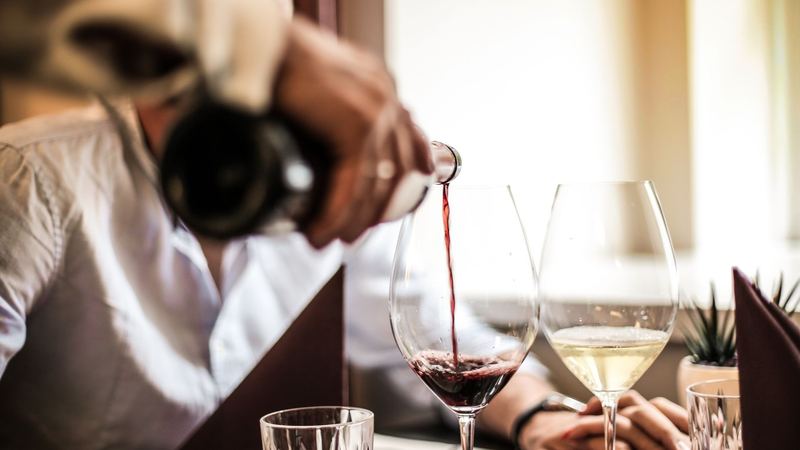
- Lunch is usually served between noon and 2 pm and dinner from 6 pm to 9.30 pm; many city restaurants serve throughout the day. "En Guete" is said before a meal. When glasses are raised, look each person in the eye as you touch glasses and say "Prost" (or "Santé" in the French-speaking resorts). Most shops close on Sundays, a long tradition backed by strict rules on Sunday work; shops at airports, railway stations and some tourist areas and ski resorts are the exceptions.
- Quiet hours
- Sundays and public holidays are kept quiet, and most communes set evening quiet hours, usually from about 10 pm; noisy work, loud music and even laundry or mowing are frowned on at those times. Exact hours are set locally, often in the rules of each apartment building, so chalet and apartment guests should ask.
- Tipping
- Service is included in Swiss prices. Since a collective labour agreement in 1974, staff pay is covered by the price, so a tip is not owed. Most people still add one: rounding up, or about 10 per cent for good service. A very small tip can read as criticism, and leaving nothing is better than leaving a token amount.
- Mountain etiquette
- On the pistes the international FIS Rules for Conduct apply: respect others; ski or ride in control; the skier behind chooses a route that does not endanger the one ahead; overtake with enough space; look uphill before entering a run or starting off; do not stop in narrow places or where visibility is poor; climb or walk down at the side of the piste; obey signs and markings; help at an accident; and exchange details after any incident. In mountain huts, the Swiss hut wardens' association (Schweizer Hütten) asks guests to book beds and meals in advance and to cancel if plans change; to carry enough cash, as many huts take only cash; to sleep where the warden assigns; to bring a hut sleeping bag, which is compulsory in many huts; to keep quiet from about 10 pm; to pack the evening before an early start; and to carry all rubbish back down to the valley.
Every list on this page is checked by hand and dated: last checked October 2026. Hotels, restaurants and events link only to their own official websites, where confirmed.